PULSE TESTING? SOUNDS LIKE A GOOD IDEA…
Lee Galley, Independent Inspection and Assessment Manager for RISA, explains how homeowner disputes on acoustic performance from new windows fitted with trickle vents, can be avoided by using pulse testing.
When Approved Document F was updated in 2022, legislation that was introduced to enhance air flow into buildings in order to reduce the likelihood of damp and mould, it was initially met with some resistance from the industry, and especially from installers.
That’s because while most agreed that regulation to improve living conditions was a positive step forward, the addition of trickle vents in new windows and doors had the potential to upset homeowner customers, primarily for their aesthetics but also for a perceived reduction in performance on energy efficiency.
Two years down the line, installers have worked hard to win over homeowners on the benefits and regulatory requirement for trickle vents, despite pressure from unregulated competitors who only serve to undermine the professional standards and the reputation of the industry.
In some cases, however, trickle vents are still a cause for concern with installers, particularly for projects in which expensive, acoustic glazing has been specified to reduce the noise of nearby transport links, flight paths or other noisy environments.
In these instances, installers have followed the regulations but are still being confronted by angry customers who are complaining that even though they have spent a considerable sum on new windows that promised to reduce noise levels, their homes are actually even more polluted by noise than ever before.
This has been highlighted by a recent spate of inspection requests for RISA, where noise infiltration is the main cause of dispute. And in most of these cases, it is because trickle vents have – correctly – been included in the specification.
So, what is the answer for installers who are determined to uphold professional standards on Part F, but don’t want to run the risk of a dispute and reputational damage with their customers?
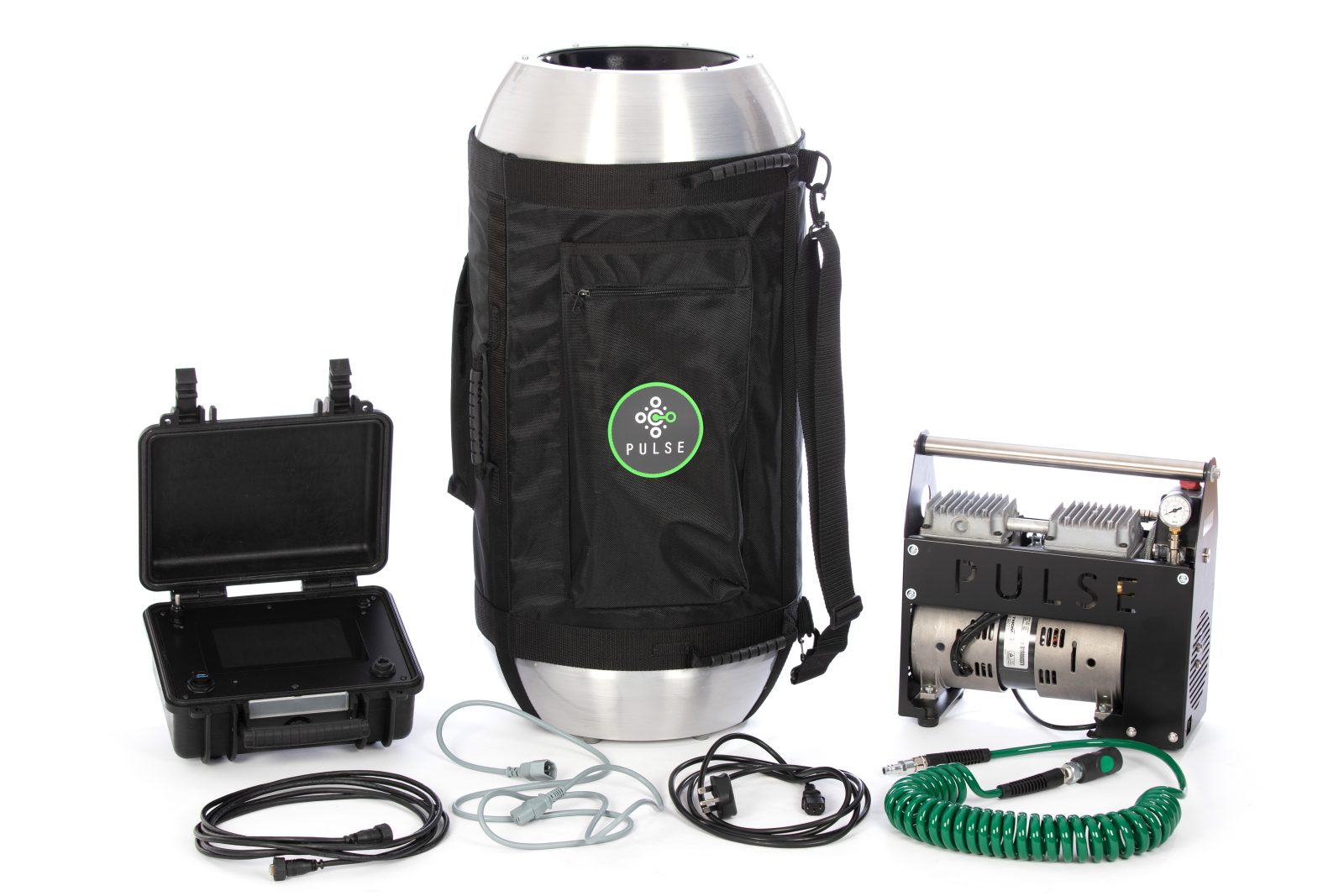
One solution that I would highly recommend, is the Glass and Glazing Federation’s (GGF) pulse testing service.
The pulse testing service was originally introduced as an alternative route to compliance for Part F, and works by demonstrating the airtightness of a building pre and post installation.
For example, if the reading doesn’t change, which is often the case when ‘like for like’ PVC-U windows are installed, there is no need for additional ventilation such as trickle vents.
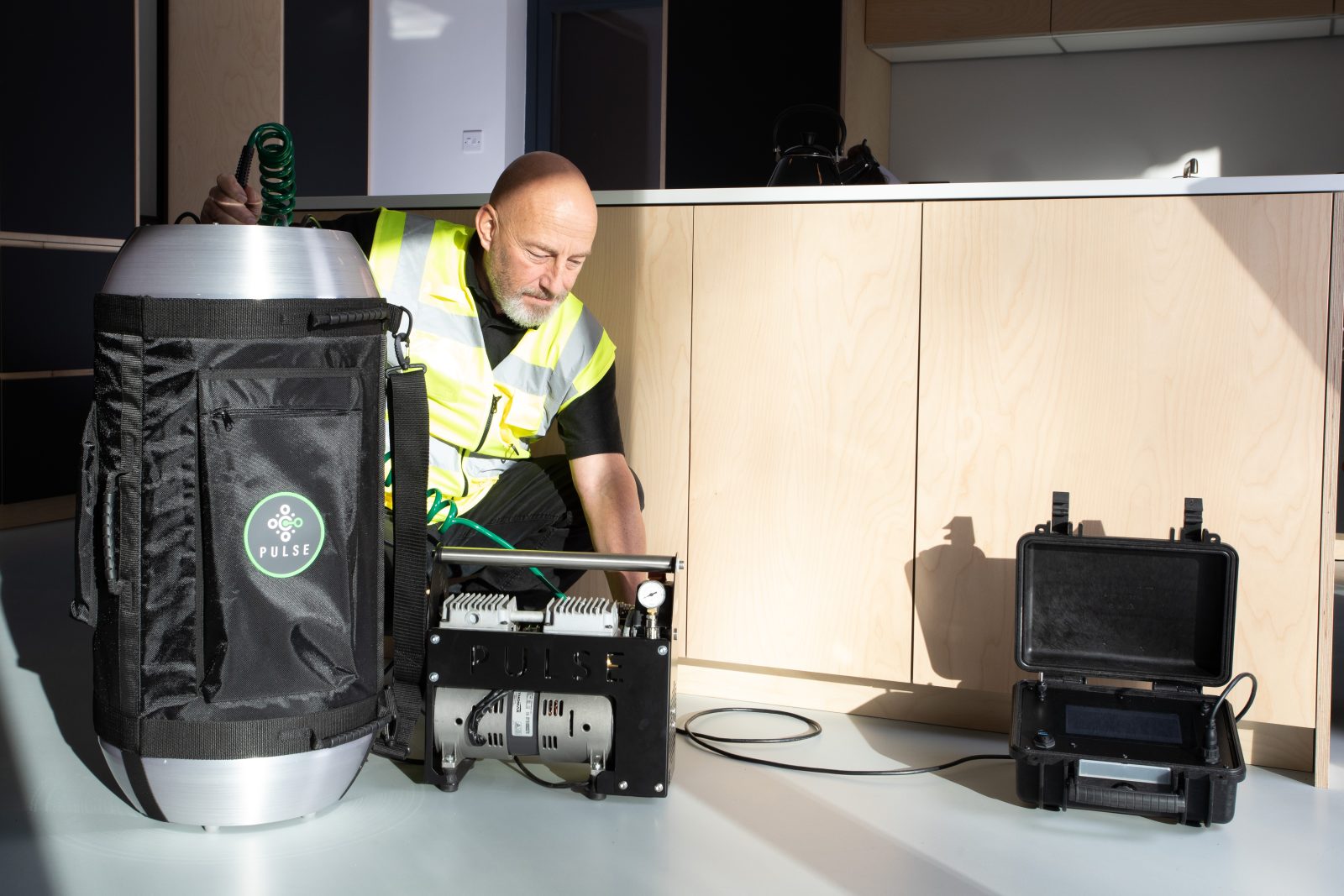
The GGF invested significantly in researching the technology for pulse testing and the result is that installers now have access to a quick, simple and repeatable process that can be carried out in less than 30 minutes, without having to ask homeowners to vacate their property.
In fact, the results can be offered straight away, which means installers can instantly reassure their customers that trickle vents are not actually necessary and that they can invest in new, higher performance acoustic rated windows, without the risk of increased noise levels post installation.
Pulse testing is available nationwide – to all installers, not just GGF members – although GGF and FENSA members do benefit from a discounted rates for the service.
And while pulse testing does involve an additional cost to installers, and an extra process that needs to be worked into a quotation or survey, I would argue that it is more than justified for projects were improved acoustic performance is the key driver for the sale.
Not only could it help to secure a high value project, but it demonstrates an additional level of professionalism, vastly reduces the opportunity for any costly disputes or remedial work, and greatly increases the probability for positive customer feedback.