
Why Silka’s bold move to make ceramic entrance door finishes mainstream could be the best sales opportunity installers see this year.
Ceramic finishes aren’t new to architecture, but they’re almost unheard of in quick-to-fit, quick to profit, residential entrance doors. Silka’s latest additions to its Kärben Collection changes that. By integrating bonded Italian porcelain into its hybrid aluminium entrance door, the pioneering manufacturer has brought a high-end material into a format that works for everyday installations – and installer margins.
Until now, ceramic has lived in the world of bespoke projects and architectural statement builds. It looked great, but long lead times, tricky production and specialist fitting meant it wasn’t realistic for most homeowners. Silka has engineered it into a fully factory-prepared, easy-to-specify option that maintains the wow factor, but minimises any hassle.
Why ceramic stands out
Painted aluminium or foil finishes may look good, but they’re familiar. Ceramic is different – tactile, hardwearing, and genuinely rare in the residential market.
The Italian porcelain panels in the Silka Kärben Collection are UV stable, impact and scratch-resistant, so they’re built to stay looking sharp for the long-run. And with only a handful of manufacturers worldwide offering ceramic finishes for entrance doors – most of them targeting ultra-luxury one-off projects – Silka’s decision to make the range installer-ready is said to be a first for the mainstream UK market.
There are four earthy shades available – Corten Rust, Ghost Grey, Dark Shadow and Ivory Coast – all straight from the kind of designer moodboards homeowners are scrolling through for daily inspiration. The door becomes the scene setter, not just a functional panel on the front of a house. And because hardly anyone else is offering ceramic, it’s a ready-made conversation starter that helps close sales and justify higher prices.
Designed to be sold
Every Kärben door is built around Silka’s carbon fibre-reinforced Thermafill core for strength, insulation and long-term reliability.
Smart technology, from fingerprint recognition to keypad entry and app control, is fully integrated at the factory through the Siegenia locking platform. That means no bolt-on boxes, no messy retrofits, just a clean, uninterrupted design that hides some seriously smart features.
If lighting is your thing, models like Angelo and Canova can be specified with slimline LEDs that illuminate on approach. It’s a subtle touch with huge impact, especially for high-end jobs where it’s increasingly harder to turn heads.
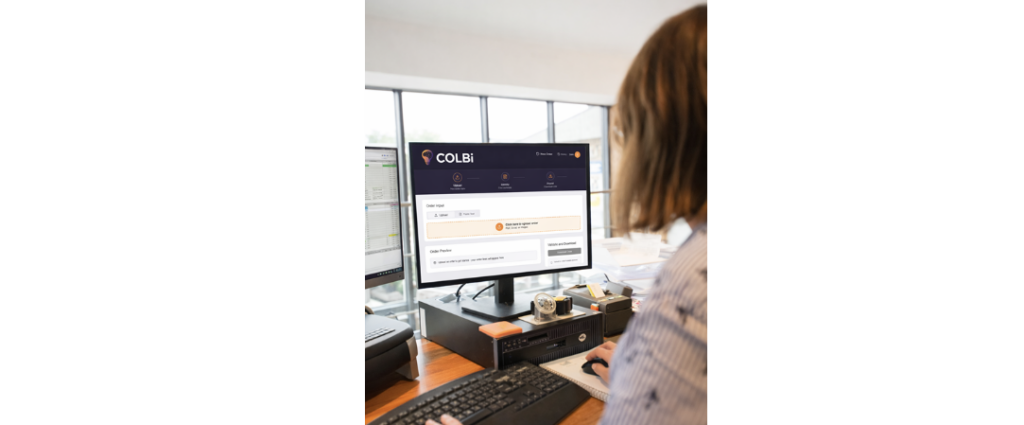
From modern extensions to self-builds, ceramic Kärben entrance doors slot straight into premium projects. Installers can match sidelights, handles and frame colours, then bring it all together using Silka’s Doorbuilder tool to create visuals and quotes in minutes.
The commercial edge
Asa McGillian, managing director at Silka, says the decision to bring ceramic into the already popular Kärben Collection was about giving installers something they can’t get elsewhere: “When you offer a finish that’s rare, durable and genuinely different, you’re not competing in the same space as every other installer in your area. You’re giving customers a reason to choose you – and to pay more for something that will hold its value for years.”
In a competitive market, where premium jobs can make the difference between a good year and a great one, that edge matters more than ever. Ceramic finishes create a point of difference that’s easy to explain, upsell, and deliver.
Offering something so bold and unique as the Silka Kärben ceramic range also elevates all-important brand perception for installers, in a market where seizing every opportunity counts.
With ceramic still unusual in the residential market, Silka’s move gives installers the chance to lead a niche before it becomes the next big thing – and with a door that’s as practical to fit as it is striking to look at.