Cutting through the noise
Kevin O’Neill, commercial manager at Rehau, discusses the importance of improving acoustic performance in urban areas.
Land scarcity is a persistent issue in UK construction. While policies are in place to loosen restrictions around construction on green belt land through the ‘Grey Belt’, most building work continues to take place in urban areas.
Given the Government’s pledge to build 1.5 million homes during this parliamentary term and the commercial construction sector’s ongoing recovery, the question remains – where are these buildings being built? With less room for construction in dense urban areas, developers are increasingly having to make compromises on location for retrofitting and new-build projects.
Reframing priorities
At Rehau, we are seeing more projects go ahead near railway stations, motorways and industrial zones. There are clear drawbacks to this acoustically, but the supply chain is adapting to noise attenuation concerns.
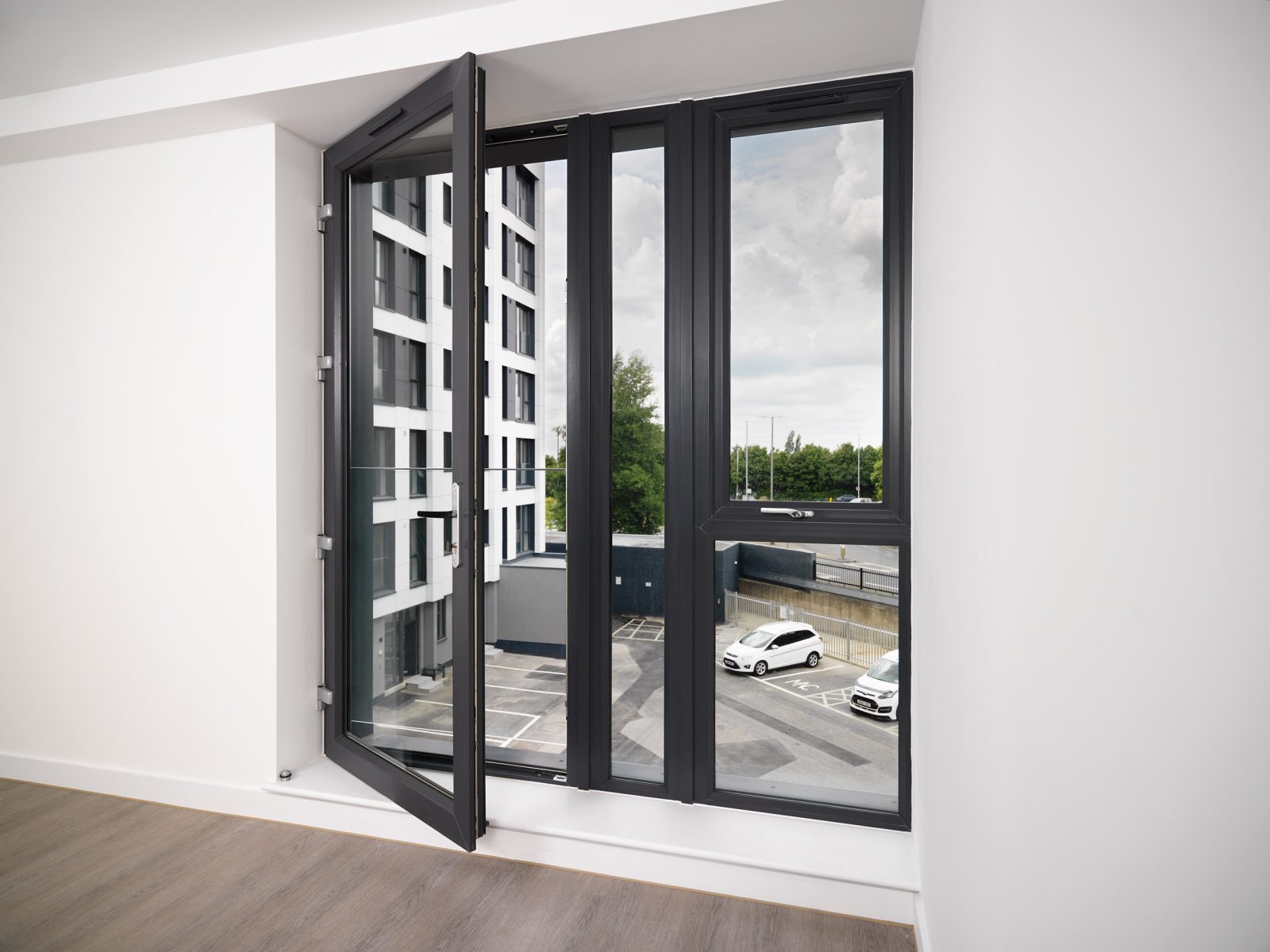
This is particularly true of fenestration professionals. Windows and doors offer a clear ingress point for noise, and this means fabricators and installers are adjusting their priorities. Sound is now a major concern, and specification practices are shifting.
Double vs triple
This is not to say acoustic performance has previously been overlooked when selecting frames. Both the World Health Organisation and the UK Building Regulations set out stringent regulations around noise. However, ensuring sound levels in living rooms and bedrooms remain below 35dB in the day and 30dB at night requires more careful consideration with properties near train tracks, motorways or the general hustle-and-bustle of everyday urban life.
For these projects, triple glazing may appeal. Putting additional layers between external noise and a property’s interior seems logical, but less can be more here. More reverberating panes means greater potential for noise – amplifying sound, not deadening it.
Thicker, double-glazed units may perform better than triple glazed units. Specification in varying thicknesses, such as laminated glass with sound attenuating inter layers, can be crucial to limiting the impact of unwanted noise, and installation companies and fabricators should work with frame and glass manufacturers to ensure this can be accommodated ahead of time.
Needing reinforcement
It is important to note the consequences of specifying thicker glass. Glass weighs around 2.5kg per millimetre thick, per metre squared, so the thicker the glass, the more exponential the weight. This is an important factor to consider when selecting frames.
On projects of this kind, early engagement with system hardware suppliers is vital. A variety of components may be needed to accommodate heavier glass, including stronger steel reinforcements and additional compensatory fixings. Some frames are already designed for this level of robustness, with Rehau’s Artevo system sashes able to accommodate up to 80kg of glass per sash.
It is important to consider the project as a whole when discussing it with frame suppliers. Manufacturing expertise can help fabricators and installers balance other, competing priorities in system specification. For example, while double-glazing may in some cases have the edge on triple-glazing in noise attenuation, the latter’s thermal performance threshold is higher.
However, with high-performance glass, double glazing can still reach U-values of 1.2 W/m²K, which means it complies with modern energy efficiency building regulations, including the Future Homes Standard. Experts from frame manufacturers can help keep to these levels while adapting frames and hardware for high-noise environments.
There are other key performance criteria to be factored in too, including security and ventilation requirements codified in the Building Regulations. Types of noise should also be considered, as frames backing onto train tracks could require different glazing specifications from those overlooking a road.
The same goes for windows at different elevations, which may be more exposed to certain sounds depending on the storey. Early collaboration is key to anticipating the impact to any adjustments on frame design, especially on more challenging projects.
It is also essential that installers ensure membranes and seals on new doors and windows are robustly fitted, maintaining the air-tightness and sound attenuation details outlined in the tender documents.
Keeping the thread
The Building Safety Act and the need for a ‘golden thread’ of product information further underlines the importance of working together from the offset. System traceability has become a priority and maintaining an audit trail of specification, performance and installation data is highly valuable for frames designed with sound in mind – especially those used in publicly funded projects.
Considering this, installers and fabricators should ask what traceability tools frame suppliers may provide – for example, Rehau’s own Window.ID.
Fenestration professionals that use manufacturers as an ongoing source of expertise, rather than something to only be engaged at point-of-purchase, can better specify systems where acoustic performance is a major concern.
Here at Rehau, we are happy to hear from you long before going on-site. Additional knowledge is highly valuable on more challenging works, and the supply chain is well-placed to help.