A clear solution to overheating
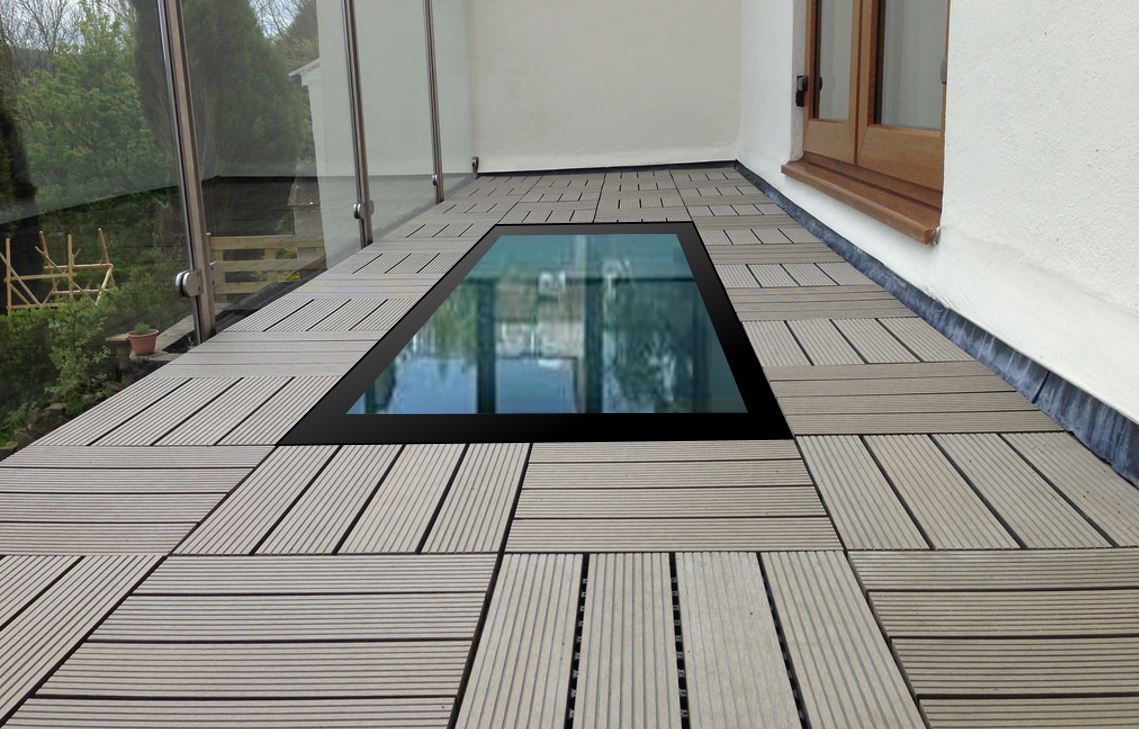

Following the UK’s hottest summer on record, Paul Higgins, commercial director at TuffX, explains why glazing plays a crucial role in tackling residential overheating and explores the innovative solutions available.
With UK temperatures frequently reaching heatwave criteria on four separate occasions during summer 2025, many households will have felt the effects of the warm weather while staying indoors.
As glazing is one of the most influential factors in managing heat gain and retention in residential buildings, poorly specified windows, bi-folds, and roof glazing can significantly increase the risk of overheating.
With heatwaves in mind, coupled with the incoming Future Homes Standard, the relatively new Approved Document Part O, designed to tackle overheating, is driving change. The Document seeks to ensure that the design and construction of new residential buildings limit unwanted solar gain in summer and provide adequate means to remove heat from the indoor environment.
More and more UK households may be opting for air conditioning (AC) units in an attempt to combat these high temperatures, yet AC isn’t the best solution as it can also drive up energy bills through the summer months. This is just one example of why it’s the right time to spread further messaging around glazing product innovation and finding a solution to create comfortable indoor conditions, with plenty of natural light.
Solar controlled glass solutions
High-quality solar glass products are set to play an essential part in achieving the proposed new FHS, meet the needs of Part O and help homeowners achieve the comfortable ambient interior temperature they are looking for without the need for air cooling technologies.
Solar-controlled glass offers a cost-effective solution, reflecting up to twice as much heat as standard glass. By using tinting, a special coating, or a combination of both, these products help keep heat out and prevent indoor spaces from overheating.
For example, TuffX has developed a new rooflight for our Infinity range that achieves this through a unique new coating. Unlike most solar controlled glass, it is un-tinted, allowing for maximum light transmission reaching an impressive 70% LT.
This high performance in the warmer months does not detract from its performance in the winter either, with the rooflight able to achieve a U-value of just 0.6W/m2K, making it the most energy-efficient rooflight all year round.
New opportunities
Change in the glazing sector is not a question of if, but when. Whether driven by new legislation, evolving consumer expectations, or a simple commitment to raising standards, product innovation is inevitable.
Today’s homeowners are far more demanding as they’re not just looking for windows and doors that look good, but for solutions that actively cut their energy bills, enhance comfort and contribute to a more sustainable home.
Regulatory changes are also pushing solar control glazing firmly into the spotlight, making it clear that the industry must respond with products that balance compliance, performance and design appeal.
This creates a clear opportunity for forward-thinking companies. Those who invest in developing and supplying glazing solutions that combine striking aesthetics with optimum light transmission and market-leading thermal efficiency will not just meet demand, they will set the benchmark.
In a competitive market, businesses that can demonstrate genuine added value through innovation and performance will position themselves ahead of the curve and strengthen their long-term relevance. As a collective with expert knowledge of what consumers want and need, it’s the ideal time to drive change and provide the very best, future-proof solutions.
The message is clear: the market is moving, and those who move first will reap the benefits.
