
Nikki Dunbar, director at Nix Collective, the specialist agency for the window and door industry, talks about how designing personalised experiences can make an event unforgettable.
When most people plan an event, they focus on the logistics. The venue, the catering, the timings, the guest list – all the things that keep the day or night running smoothly.
Of course, planning absolutely matters. Logistics are the baseline requirement. If the event doesn’t function, nothing else matters. But a perfectly organised event is not, by default, a memorable one. Planning makes an event work; event design is what makes people talk about it long after the doors close.
We recently worked on a milestone celebration where every part of the guest journey was carefully considered. Guests received personalised invitations and a tailored digital RSVP experience. When they arrived, they found bespoke place settings and event books created just for them.
Throughout the evening, interactive centrepieces responded to the music, while footage of guests arriving was edited and incorporated into the event almost in real-time.
Were any of those things essential to making the event happen? Not really.
Did they make the experience more memorable? Absolutely.
One of the biggest misconceptions about events is that memorable automatically means expensive. In reality, it is often the thoughtful touches that have the greatest impact. A simple interactive feature, a genuinely personalised element, or an unexpected moment of connection can create far more engagement than a big budget ever could.
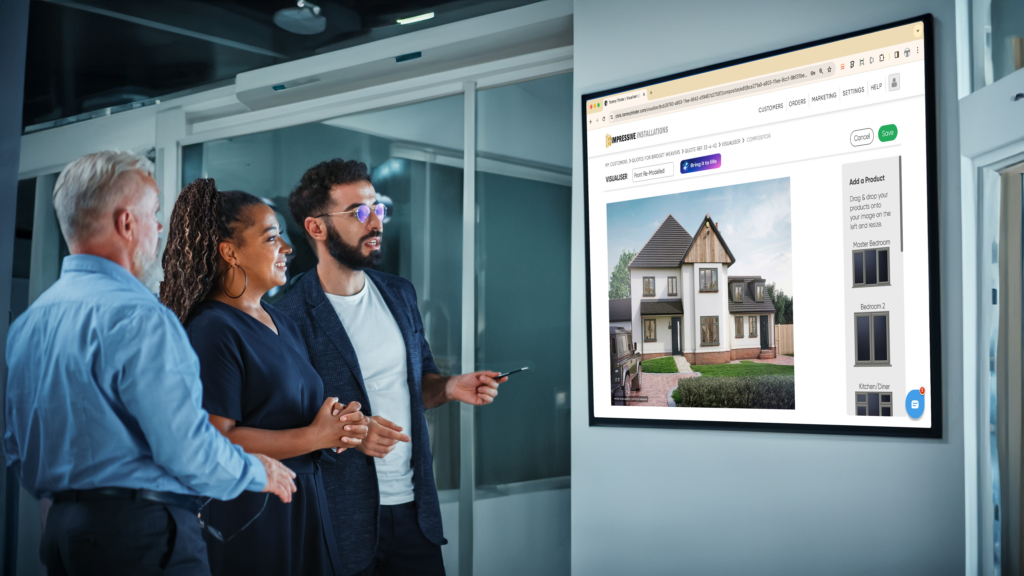
This is especially true when it comes to technology. Digital assets can play a huge role, but only when they serve a genuine purpose. Whether it’s digital touchpoints, interactive displays, or real-time data integration, the best technology doesn’t shout about itself.
It bridges the gap between the host and the guest – removing friction, providing instant answers, and creating opportunities for meaningful conversation. Technology should add value to the visitor’s experience, not just harvest their contact details for a lead sheet.
For example, visitors can spend an entire day walking around a trade show looking at windows and doors. But in a market where products often share similar technical specifications, displays can quickly start to blend together.
This ‘sea of stands’ phenomenon is where the cost of invisibility becomes a real business risk. If a visitor forgets your brand five minutes after walking away, you haven’t just lost a prospect, you’ve potentially wasted a lot of your exhibition investment.
The stands that stand out are the ones that create a distinct experience – something interactive, unexpected, or engaging that stops people in their tracks, gets them interested, and starts a conversation.
At the end of a long day walking around a trade show, people don’t remember every stand they passed. They remember the ones that made them stop, feel something, and take notice.
Whether you’re welcoming customers to your showroom, exhibiting at a trade show, launching a product, or hosting an open day, the same principle applies. Attendance alone isn’t the measure of success.
What matters is the experience people have once they’re there – the moments that capture their attention, spark curiosity, and leave a lasting impression long after the event has ended.
So, next time you’re planning an event, stop and ask yourself: Are you just organising a logistics schedule, or are you designing an experience?
Planning an event? Let’s make it unforgettable. Get in touch to see how we can help.