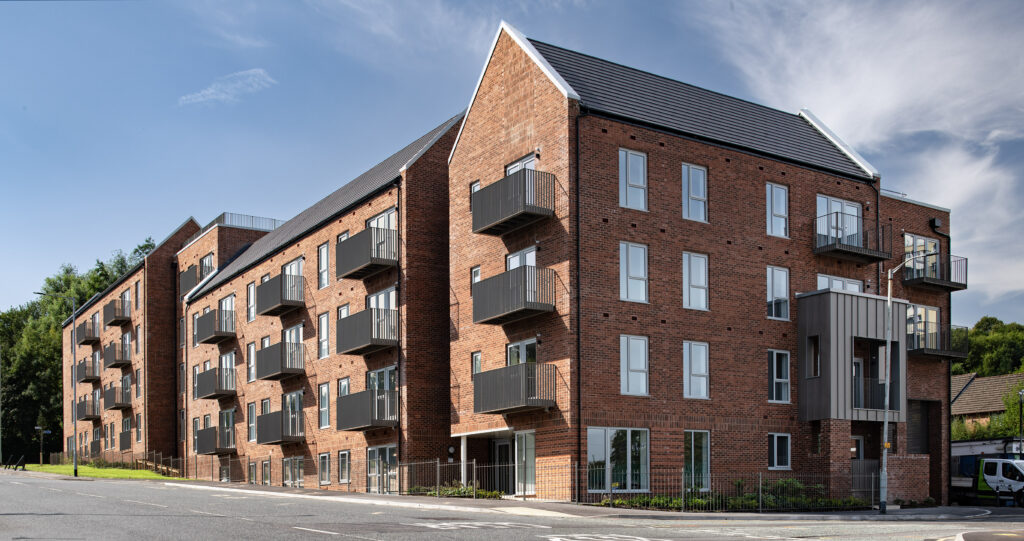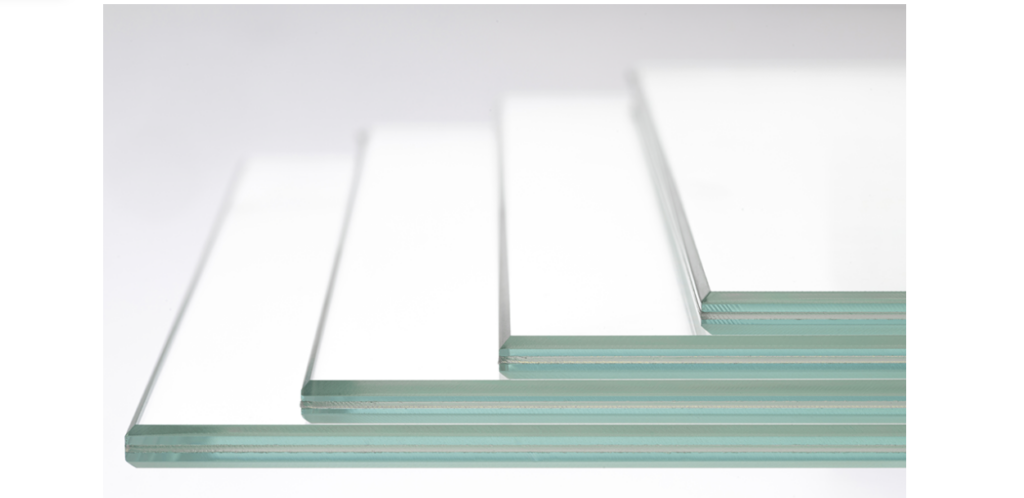

Andrew Charlesworth, technical director of WarmCore & Aluminium Systems at Kömmerling UK, discusses how the Future Homes Standard is already changing the way windows and doors are specified and why hybrid systems are likely to play an increasingly important role in meeting future performance requirements.
The Future Homes Standard is set to fundamentally change the way windows and doors are specified in the UK. As the industry moves towards increasingly stringent energy efficiency targets, compliance is becoming more dependent on the performance of individual product configurations rather than broad system assumptions.
Historically, compliance could often be achieved through standard model calculations and broad product assumptions. Increasingly, however, windows and doors are being evaluated based on their exact specification. Factors such as profile choice, glazing configuration, reinforcement, spacer bars and opening styles can all influence performance outcomes.
For fabricators, installers, architects and developers, this creates both opportunities and challenges. The demand for accurate performance data has never been greater, while the complexity of compliance is increasing as regulations evolve. As a result, the industry is moving towards a more data-driven approach to specification, where every design decision can have an impact on thermal performance and overall compliance.
One of the biggest implications of this shift is the growing need for digital planning tools that allow products to be configured and assessed accurately before manufacture begins. For fabricators, managing these variables manually can quickly become complex and time-consuming.
In answer to this problem, Kömmerling recently launched a new Planning Software platform designed to help simplify the process. Available free of charge to fabricators, installers, architects and specifiers, the web-based system enables users to configure windows and doors in precise detail while calculating U-values in real time.
Users can select from a wide range of profiles, glazing options, colours, spacer bars and reinforcement configurations, with the software instantly updating performance calculations as changes are made. A traffic-light system also provides immediate feedback on whether a design remains within Kömmerling’s approved parameters.
The value of this type of technology extends beyond simple compliance. By providing accurate performance information at the design stage, it helps eliminate uncertainty, reduces the risk of specification changes later in the project and supports better decision-making throughout the supply chain.
Alongside the increasing focus on compliance, another important trend is emerging, which is the growing demand for products capable of delivering ever lower U-values.
Across mainland Europe, hybrid window systems have already become an established route to achieving lower U-values while maintaining slim sightlines and premium aesthetics. As UK performance requirements continue to tighten, there is every indication that a similar shift will occur here.
Hybrid technology offers the best of both worlds, combining the thermal benefits of PVC-U with the strength and aesthetics of aluminium. This allows manufacturers to achieve impressive thermal performance without compromising on design flexibility or visual appeal.
At Kömmerling, this thinking continues to drive the development of the WarmCore hybrid system. Featuring patented thermal technology, WarmCore is currently being expanded into a new 76mm platform to help meet the evolving demands of the market. This new generation of WarmCore will offer even greater thermal efficiency while retaining the premium aesthetics and versatility that have made the system a popular choice across residential and commercial applications.
Mir Patel, aluminium operations manager at eminent Kömmerling fabricator Unique Window Systems, said:
“As thermal performance requirements continue to increase, developers in particular are looking for solutions that can deliver compliance without compromising on design. The next generation of WarmCore provides that balance, offering excellent energy efficiency alongside the premium appearance expected from modern aluminium systems.
“We will be pioneering this new enhanced variant of WarmCore with a U-value of just 1.2 W/m²K as standard. The new planning software already allows us to configure windows and doors precisely to meet the exacting specifications of commercial projects and will be a huge benefit to us over the coming years, particularly as the
Future Homes Standard comes into play.”
The Future Homes Standard is about far more than meeting regulations. It is accelerating innovation across the sector and encouraging a more intelligent approach to specification. Businesses that embrace digital tools, accurate performance modelling and advanced product technologies will be best placed to support customers and thrive in an increasingly performance-led marketplace.