

The potential gains of new product territory are hard for some specialist manufacturers to ignore, but Hurst says it remains fully committed to what it does best, with countless benefits for its installer network.
For many businesses operating in a challenging and competitive market, diversification is often the key to success, but Hurst has taken a ‘less is more’ approach.
Concentrating on two core product types, comprising composite doors and PVC-U panels, it’s a specialist strategy that prioritises quality over quantity.
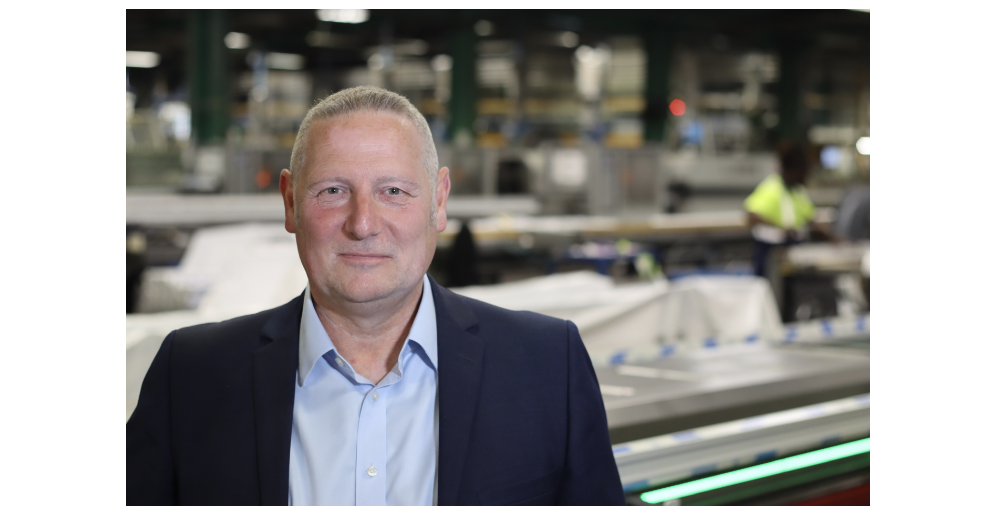
“Diversification can be a smart move under the right circumstances, but at Hurst, we’ve resisted the temptation to spread ourselves too thin,” says Kevin Wheatman, director & general manager at Hurst.
“There’s always a pressure to add more products, but every time you do that, you risk complicating things and potentially undermining what you already offer, because something’s got to give.
“Our policy is to do what we do best, and do it well, rather than stretching our resources and diluting our strengths and our focus.”
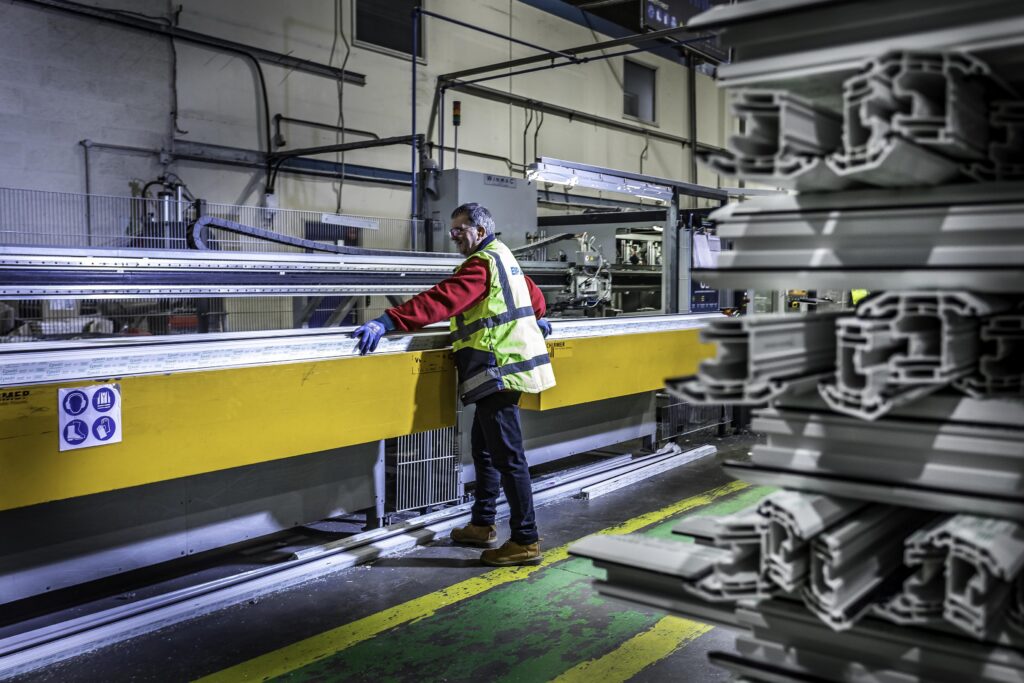
With different manufacturing processes for composites and panels, Hurst operates two separate factories, dedicated to each. The result is optimised production and consistent quality and performance that would be difficult to achieve with more product categories thrown into the mix.
“Composites and panels are made with different materials, different machinery and require different expertise,” explains Kevin. “Keeping those production lines distinct allows us to give each product category the attention it deserves, achieving the best possible results for our customers.”
It’s a simple separation that allows the business to continually improve processes and strengthen its reputation for delivering what customers expect, when they expect it.
Allowing Hurst to monitor performance more easily, make adjustments and maintain capacity without unnecessary disruption, it also helps the business respond quickly when demand fluctuates, supporting lead-time stability.
Hurst’s targeted focus on just two product categories has also allowed it to hone the manufacturing expertise necessary to evolve its ranges – seamlessly introducing solid core composites and the Securicore panel – without overcomplicating production.
“We understand our manufacturing processes inside out, which means we can introduce improvements or additions to our composite and panel ranges more smoothly, without major disruption,” says Kevin.
Targeted production has also allowed Hurst to invest in machinery that ensures the manufacturer is better placed to respond if things go wrong.
Four CNCs, for example, allow Hurst to increase capacity but also enable production to continue in the event of a breakdown, assuring customers of a reliable service.
“Our tight focus on composites and panels means we’ve been able to invest in more equipment for each, and that’s allowed us the breathing space to develop a support and continuity strategy across both factories,” explains Kevin.
“If we’d diversified into other product areas that required different machinery, it’s unlikely we’d have the resources to do that.”
For installers, the benefits of Hurst’s focused approach are numerous: dependable products, consistent quality and a supply chain they can rely on.
“We’re not a jack-of-all-trades, but we are a master of two!” says Kevin. “Our mantra of specialisation over diversification means our customers know that what they order will turn up when it should – and perform as expected.
“When it comes to composite doors and panels, we know our stuff – and our customers can rest assured that they will receive quality, innovative products, manufactured to a consistently high standard and backed by comprehensive support.
“Sticking to what we know means we’re extremely confident in what we do here – and our ability to do it better than anyone else.”