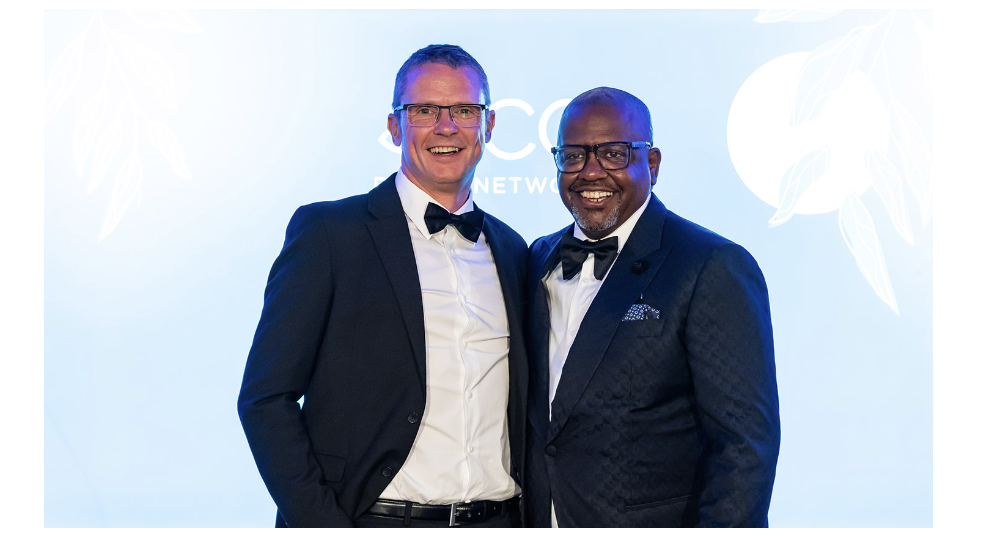

By Elton Boocock, founder of Thinkivity, providing AI consultancy and training for the UK glazing industry.
Start with what actually happens, tonight, in pretty much every installation company. A homeowner rings at twenty to six in the evening. Four rings, then voicemail. They don’t leave a message — most people don’t any more.
They go back to the search results and ring the next installer on the list. Nobody at the first company will ever know the call existed. That is the normal, right now, and every business owner reading this knows it. It’s why I created GlazingBot!
The timing is the cruel part. Homeowners don’t research windows and doors at half ten on a Tuesday morning. They do it in the evenings and at weekends, on the sofa, phone or tablet in hand, three tabs open comparing local installers. Which means the enquiries arrive precisely when nobody is there to take them.
We’ve all known this for years. The problem was never awareness. It was that nobody wants to answer the phone at eight on a Sunday evening, and paying a call-handling service always felt like a luxury. So the industry spends fortunes generating enquiries, then lets a decent share of them die at an unanswered phone. They will just email if they don’t get through!
NoWhat if that same call was answered on the second ring? A voice asks what the caller needs, takes their details, checks a couple of things, and tells them when they’ll get a call back.
Pleasant, unhurried, no hold music. Unless they asked a question sideways, they might never clock that they weren’t talking to a person. They were talking to an AI. That scenario isn’t a five-year prediction.
Voice AI has crossed the line from robotic phone menus (press one for sales) to actual conversation. The same underlying technology behind tools like ElevenLabs, which I’ve mentioned in this column before, now powers a wave of phone-answering services aimed squarely at small businesses.
They answer instantly, at any hour, sound surprisingly natural, and start at roughly the price of a tank of diesel each month. Setup is an afternoon, not a project. What’s missing isn’t the technology. It’s adoption. Hardly anyone in this industry is using it yet, and that gap is exactly the opportunity.
What could they do for a glazing business? The good ones handle exactly the calls we lose most.
A new enquiry: capture the name, the number, what the job is; windows, doors, a conservatory roof, roughly where the property is, and when suits for a callback. Basic questions: do you fit bi-folds, do you cover our area, roughly what’s the lead time. Booking: some will put a survey appointment straight into a calendar.
Then a summary lands in your inbox, so Monday morning starts with a tidy list of warm leads instead of a voicemail box full of hang-ups. This is happening right now. We are connecting these things to Business Pilot already.
Where would they fall down? Picture the customer with a failed unit and a head of steam. An AI will stay perfectly calm with them, but calm isn’t what that customer wants. They want a human who can own the problem.
The best setups are designed around this: anything emotional, complicated or high-value gets routed to a person quickly, and the AI’s job is to capture it accurately and promise, truthfully, that someone will call. AI answers the routine. It routes what matters.
A few honest notes if you’re tempted to explore this. First, be upfront that it’s AI. People generally clock it anyway, and finding out you tried to pass a machine off as staff costs trust you won’t get back. Second, ask any provider what happens when it fails, because occasionally it will. The worst case needs to be a message taken, never a dropped call. Third, in the early weeks, listen to the recordings. You’ll hear what customers actually ask, which is a marketing education in itself, and you’ll catch the answers that need correcting before they become a habit.
If you want to know whether any of this applies to you, here’s the simplest test I can offer, and it costs nothing. Tonight, after hours, ring your own business. Listen to what a customer hears. That greeting, or that silence, is the first impression you’re making on every evening enquiry you’ve ever missed. Some owners who try this will be pleasantly surprised. I suspect most won’t be.
Even try it during the day. You would be shocked at how many installer’s main ‘showroom’ number we try, and it doesn’t get answered.
The math is hard to argue with. One recovered enquiry a month pays for these tools many times over; in this industry, one recovered job a year probably does. And because almost nobody has moved yet, the first glazing business in any area whose phone is always answered properly, questions handled, details captured, callback booked, will pick up work your competitors never even knew they’d lost.
For years, your phone was only as good as whoever was free to grab it. That’s the today. It doesn’t have to be the tomorrow. Worth a thought next time a missed call flashes up from a number you don’t recognise, at ten past eight, just as you sit down for dinner.