
As fenestration continues to boom in the aftermath of the summer lockdown, supply chain issues are starting to bite. What impact will they have, and how will the industry react? Andy Jones, group managing director of Victorian Sliders, gives his view.
The economic impact of coronavirus has been huge, but while some sectors have been devastated, glass and glazing is thriving.
Businesses across fenestration are reporting record weeks and months, with many struggling to keep up. At Victorian Sliders, we’ve spoken to some installers who are booked up until January 2021.
That’s obviously fantastic news for our industry, but it’s also starting to create its own problems.
Three months of almost total shutdown for manufacturers around the world, immediately followed by rocketing demand, has inevitably taken its toll on the supply chain.
In the UK, we’re now starting to see shortages of core glazing components. Glass, profile and hardware have all become increasingly difficult to come by, and given the events of the last six months, that’s not exactly surprising.
Coronavirus was bound to have an impact on the supply chain sooner or later.
Some of UK construction’s biggest and most important suppliers have been in places especially badly hit by coronavirus. China, for example, provides the sector with 16% of its components, or £2.8 billion in goods every year.
Spain and Italy are British construction’s next biggest importers, and have been some of the worst-affected countries in Europe.
Put together, that’s made a certain amount of upheaval unavoidable.
It raises the question of whether the sector will muddle through the current spate of shortages, and return to business as usual as soon as the pandemic allows, or if 2020/2021 will see a more comprehensive change in approach.
For decades, complex global supply chains have seemed like a win-win, allowing companies to cut costs by sourcing components from all over the world.
Many fabricators and manufacturers have also begun to outsource a lot of the processes that go into making modern window and door products.
I don’t expect either to disappear. In fact, I think they’ll continue to play a major role as long as there’s a window industry.
But I’m beginning to wonder if, in the years ahead, we’ll start to see a shift away from that, and whether businesses will now start sourcing components more locally, and bringing more processes in-house, so they’re more self-sufficient if something similar happens in future.
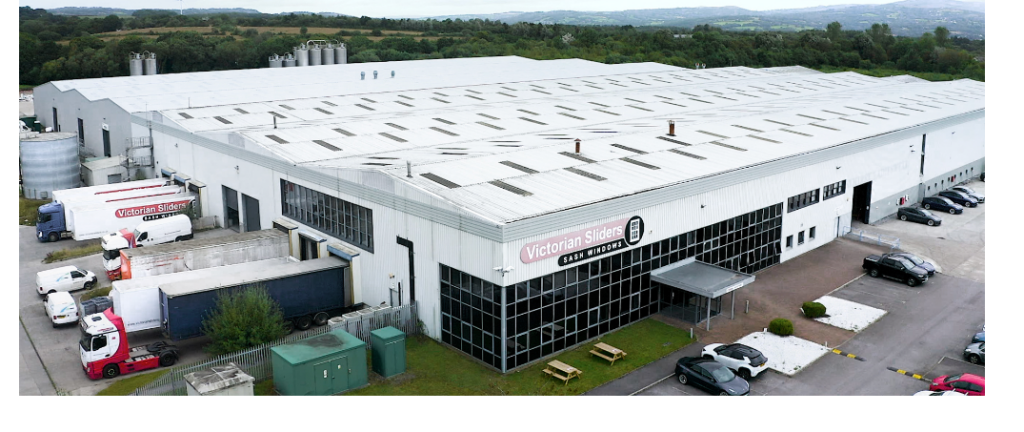
At Victorian Sliders, we’ve not been immune to the ongoing supply chain disruption, but I think we’ve been less affected than most.
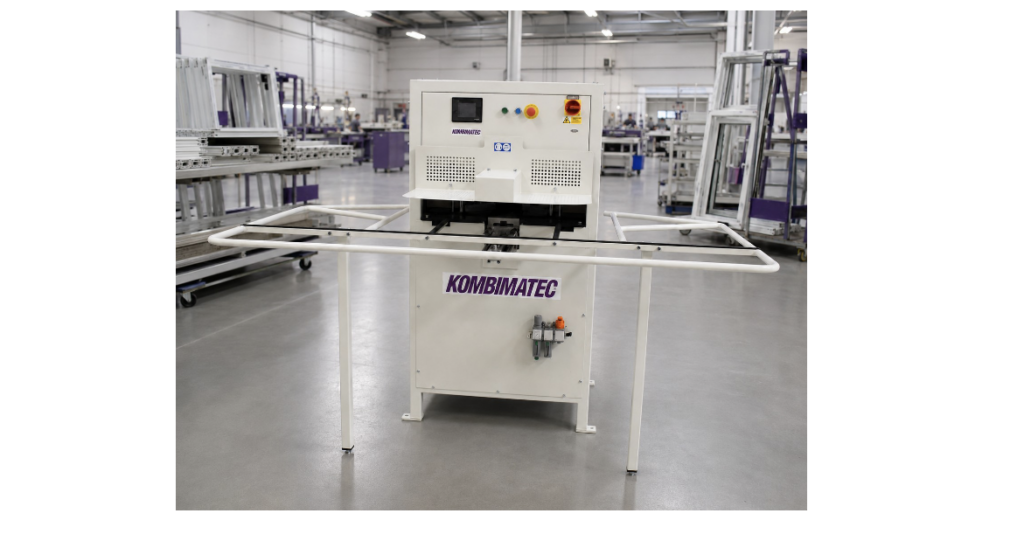
That’s because of the company’s long-term commitment to being an independent manufacturer. No business is entirely self-sufficient, but by keeping as many processes as possible in-house, we’ve been able to weather the storm much more effectively than companies that outsource.
We extrude our own profile, make our own IGUs, and we own the company that manufactures hardware exclusively for EcoSlide, for example.
That’s meant that while some disruption has been inevitable, we’ve been able to continue offering a high standard of service throughout this extremely challenging time. Many businesses are still struggling to meet demand, but we’re able to supply our customers in full.
Installers are experiencing growing demand for stylish, authentic, easy-maintenance sash windows like EcoSlide, and we’ve even seen interest from some fabricators who are considering buying in products they previously made themselves.
We’re confident that, despite the challenges, we won’t look back on 2020 as being entirely negative – for us, or for the industry as a whole.