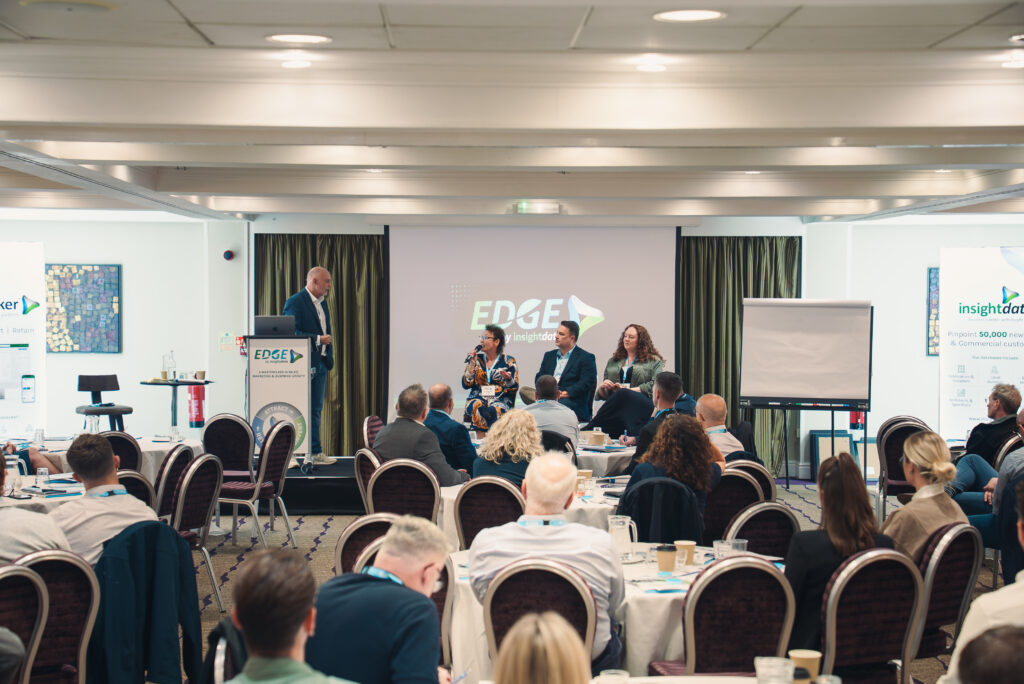

By Sioned Yates, director of Access Marketing.
Marketing is firmly on the agenda across the fenestration industry. More installers and fabricators are investing in digital channels, exploring new ways to generate demand and recognising that ‘effortless orders’ are a thing of the past and relying solely on referrals is no longer enough in a competitive market.
On the surface, this looks like progress. But in practice, many businesses are still facing the same challenges:
1. Inconsistent enquiry quality
2. Fluctuating enquiry levels
3. Unclear return on marketing spend
And a growing disconnect between activity and sales performance
The question being asked more frequently now is a simple one: “We’re doing more marketing, so why isn’t it delivering?”
The issue isn’t effort, it’s visibility!
In most cases, the problem isn’t a lack of marketing. It’s a lack of clear visibility over what’s actually driving results.
Over the past 12 to 18 months, working closely with businesses across the sector, one pattern has become clear: marketing has often evolved in layers.
1. Different channels have been added over time.
2. Different agencies or suppliers have contributed.
3. Different tactics have been trialled and adopted without clear review
But rarely has everything been brought together and assessed as a whole. The result is activity, but not always alignment.
What a “Deep Dive” Actually Reveals
Before making any changes, the most valuable step is often to step back and carry out a structured audit. This is where things start to become more tangible.
For example, one installer I worked with was generating a high volume of leads through paid ads. But over 60% were price shoppers who never converted. The issue wasn’t volume, it was targeting and messaging.
A fabricator had strong website traffic and regular enquiries, but no clear follow up process. Leads were sitting in inboxes for days, meaning opportunities were being lost before a conversation even started.
Another business was investing across multiple channels, Google ads, social media, directories. But when we traced actual sales, over 70% were coming from just one source. The rest of the budget was delivering very little return.
In one case, the sales team was discounting heavily to close deals, while marketing was positioning the business as premium, creating a disconnect that impacted both conversion and margin.
These aren’t unusual situations. In fact, they’re far more common than many realise. But without a clear view, they remain hidden and continue to affect performance.
Introducing a Clearer Way to Assess Marketing
To bring structure to this process, I use a simple framework designed to connect marketing activity back to commercial outcomes:
The CLEAR Framework
C – Channels: Understanding where enquiries are coming from and which channels are delivering value, not just volume.
L – Leads: Assessing the quality of enquiries and whether they align with the type of work the business actually wants to win.
E – Execution: Reviewing how campaigns, messaging, and targeting are set up and whether they are performing as intended.
A – Alignment: Ensuring marketing and sales processes are working together, with a clear journey from enquiry through to conversion.
R – Revenue: Identifying what is truly contributing to pipeline, margin, and profit.
From Insight to Action
What this process does is replace assumption with clarity. Instead of asking, “What else should we be doing?”. Businesses are able to ask “Why isn’t this working and what should we fix first?”
And often, the answers aren’t about doing more.
They’re about:
1. Refining targeting to improve lead quality
2. Fixing follow up processes to increase conversion
3. Reallocating budget to higher performing channels
4. Aligning messaging with the type of work the business actually wants
Aligning Marketing with Business Goals
One of the most significant gaps identified through these audits is the disconnect between marketing and wider business objectives.
For example, a business aiming to increase margin was still generating price driven leads. A company at full capacity was continuing to push for more volume instead of better quality enquiries
Sales teams were working hard to convert leads that were never the right fit in the first place
Marketing is often measured in leads, clicks and website traffic. But the business operates on sales, margins, capacity and profitability. Bridging that gap is where real progress happens.
Moving Beyond Tactical Marketing
The fenestration industry has no shortage of providers offering individual services, from websites to ads to social media. These all have their place. But without an overarching strategy they can quickly become fragmented. The opportunity now is to move beyond purely tactical marketing and towards a more strategic, joined up approach. One that starts with understanding performance and builds from there.
Marketing in the fenestration industry is evolving and that’s a real positive step.
But the next stage isn’t simply doing more. It’s developing a clearer view of what’s working, what isn’t, and why! Because when you can clearly see where your best leads are coming from, where opportunities are being lost and what’s actually driving revenue, you can make better decisions.
And in a market where ‘effortless orders’ are no longer the norm, clarity, alignment, and strategy are what separate consistent growth from ongoing frustration.
That’s when marketing stops feeling unpredictable and starts becoming a consistent, measurable driver of growth.