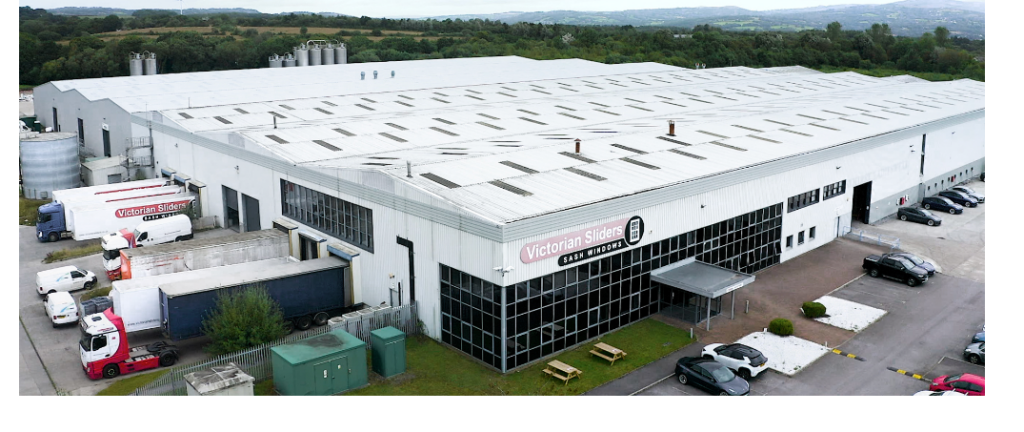

By Gareth Jones, managing director, Solar Fabrications Holdings.
I’m writing this a few hours after the chancellor announced he is scrapping the abolition of the 45p tax rate.
At the same time the news channels are reporting the continuation of a UK manufacturing downturn as the weak pound drives up import costs, and now significant gas shortages are threatened.
The dramatic U turn by the government is very unsettling for markets and it is difficult to see how this can be positive for the industry. By the time you read this issue of Glass Times, in November, what more will have changed, and how?
We have to welcome the government’s measures in respect of energy, announced in September, to help protect business from the most extreme increases in energy costs, which kicked in on 1 October and are something of a lifeline, if only for six months.
Businesses are still paying at least double what they were in October 2021 – but we are breathing a collective sigh of relief that we’re not looking at the forecast winter prices of around £540. Nevertheless, these increases are still huge, particularly for those reliant on electrical power.
The current situation could be described as a ‘perfect storm’, with the industry having to contend with the energy crisis, very anxious consumers, the pound in the doldrums and its inevitable impact on the price of imported materials.
With this inflationary pressure, any business which is overly reliant on imported goods should be looking at its supply chain. If you are using products, for example imported from China, you’ll have the double impact of the increasing price of materials, and the decrease in the value of the pound.
Now is the time to explore opportunities for sourcing locally. Where possible our group of companies is looking continually to do this, whilst of course trying to remain competitive.
But maybe the energy crisis will encourage the market. The cost of energy has made us all aware of how we’re using it and how we should be better protecting it. Homeowners might have been considering energy-saving home improvements as something to do in the fulness of time – the extra insulation, perhaps explore a new heating system, or replace their doors and windows. Now there is a sharp focusing of minds.
People are looking for a swifter return on investment. Some will be doing it to minimise their costs, others will be committed to ensuring their property and lifestyles are as sustainable as possible. They want to act now and for our industry this should be good news, given we have the products that can make such a difference to people’s homes and energy bills.
And then there’s the housing market. We are hearing of a projected drop in house prices of around 10% in 2023, a result of mortgage providers pulling deals and raising interest payments. History has shown that when they can’t move, those homeowners who can still afford to will improve their properties instead.
So, for the businesses in the industry that keep their costs under control and work their high-end, high-margin products hard, is this the opportunity to potentially ride out the perfect storm?
We don’t know what the government will do next, but they should take a serious look at the suggestion from Ryan Johnson, of Emplas Group.
His open letter to the industry, proposing a cut in VAT to 5% or less, for energy-efficient home improvements, could be the shot in the arm both homeowners and the industry needs.
Sadly, I think this is unlikely, as the belief in Government is that energy efficient products such as window and doors are attractive enough without the need for an incentive.