
When a characterful coach house in the West Midlands was stripped back as part of a full renovation, one challenge became clear from the outset: how to introduce more daylight into the large floor plan.
The solution came from above, with four Infinity framed rooflights from TuffX specified to draw natural light deep into the building, transforming the feel of the space while fitting neatly within the constraints of a tight programme and challenging winter-build conditions.
The brief
The converted coach house is set to become home to a multigenerational family who have a vision to create a spacious, modern downstairs living space and a connection to the garden beyond. With properties such as this, thick masonry walls and limited original openings can often restrict opportunities to add vertical glazing, so rooflights become the ideal and often the most efficient way to introduce high levels of natural daylight into the space below.
For this project, the brief focused on creating two contemporary, open‑plan kitchen, dining and living spaces on the ground floor – one for the main property and another for a self-contained annex – while retaining the substance and character of the original structure. From the early architectural design stages, natural light was a priority, with four rooflights positioned across the expansive flat roof to distribute daylight evenly throughout the space.
Timing soon became just as important as design, as prolonged wet weather throughout early 2026 delayed roof preparation and pushed back the final roof covering installation. Once the roof was ready, there was no room for further delay, so it became essential that the rooflights be manufactured and delivered as quickly as possible to stay on plan.
The solution
TuffX designed and supplied four bespoke Infinity rooflights for the customer, with the largest measuring 2,305mm x 1,490mm. Factory-assembled as single units, the Infinity system is engineered to deliver strong thermal performance alongside a clean, contemporary appearance, while reducing installation time on-site.
The high-quality units were manufactured at TuffX’s 80,000ft2 facility in Knowsley, Merseyside and were ready for delivery when the site conditions allowed installation. That flexibility proved crucial, enabling the project to move forward immediately once the weather improved.
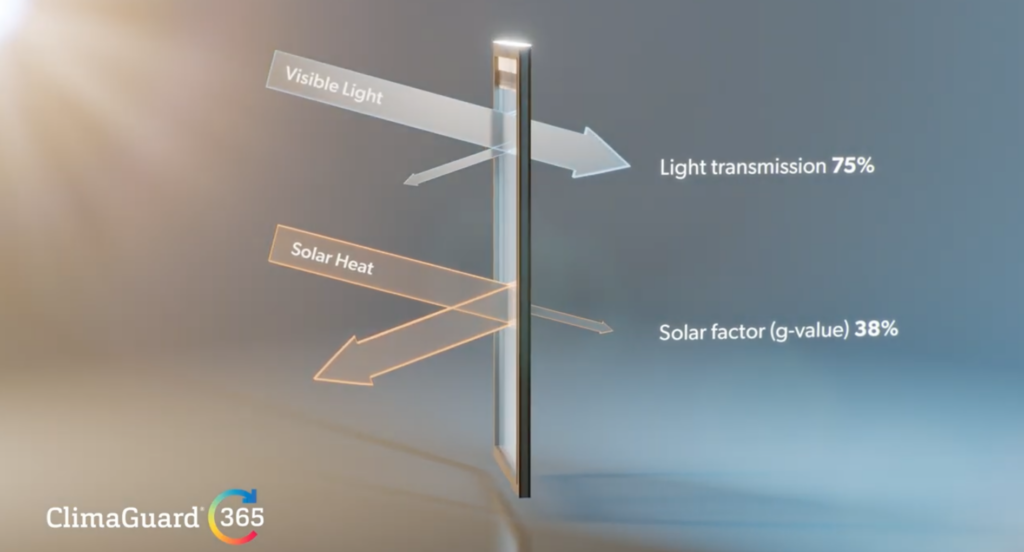
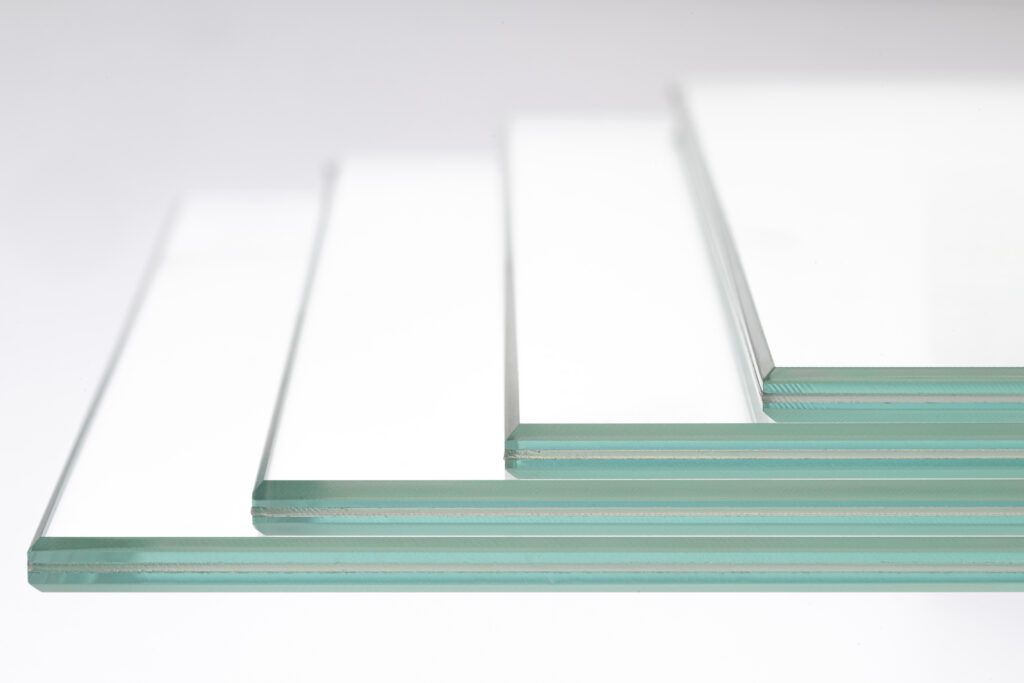
The Infinity system is available in both double and triple‑glazed configurations, with an insulated frame design supplied as standard to help reduce heat loss and manage solar gain. For renovation projects in older buildings, such as this, improving the thermal envelope is often as important as the visual transformation.
Solar‑control coatings can also be specified where additional performance is required, highlighting the increasingly important role roof glazing plays in contemporary residential refurbishment.
From the factory floor to site
When installation began, the practical advantages of the system quickly became clear as each rooflight arrived on site fully assembled and ready to fit. In readiness, four timber upstands were constructed at a minimum pitch of 5° to ensure effective water run‑off. On installation day, the process was swift and simple.
Each rooflight was unpacked and a continuous bead of silicone was applied around the upstand to create a secure, weather tight seal. Then the powder coated aluminium frames were carefully lowered into place, with the same straightforward process repeated across all four openings.
In a full renovation environment, where multiple trades are often working to a tightly sequenced programme, this reliability mattered. The roof was made watertight on schedule, allowing the build to progress without further disruption after an already difficult winter.
Back on track
The completed installation has transformed the interior of the coach house. Daylight now floods the open‑plan living space, bringing warmth, depth and a strong visual connection to the outdoors that the original building couldn’t offer.
In performance terms, TuffX’s double‑glazed Infinity rooflights achieve centre‑pane U‑values of 1.2 W/m²K. In comparison, the triple‑glazed option delivers approximately 0.7 W/m²K – up to 30% better than standard double glazing – alongside enhanced acoustic performance.
For glazing contractors working on refurbishment and conversion projects, this coach house installation demonstrated what can be achieved with a well‑specified rooflight system and a responsive manufacturer – bespoke sizes and a hassle-free installation process, allowing the build schedule to stay on track.