Addressing Britain’s housing crisis through fenestration
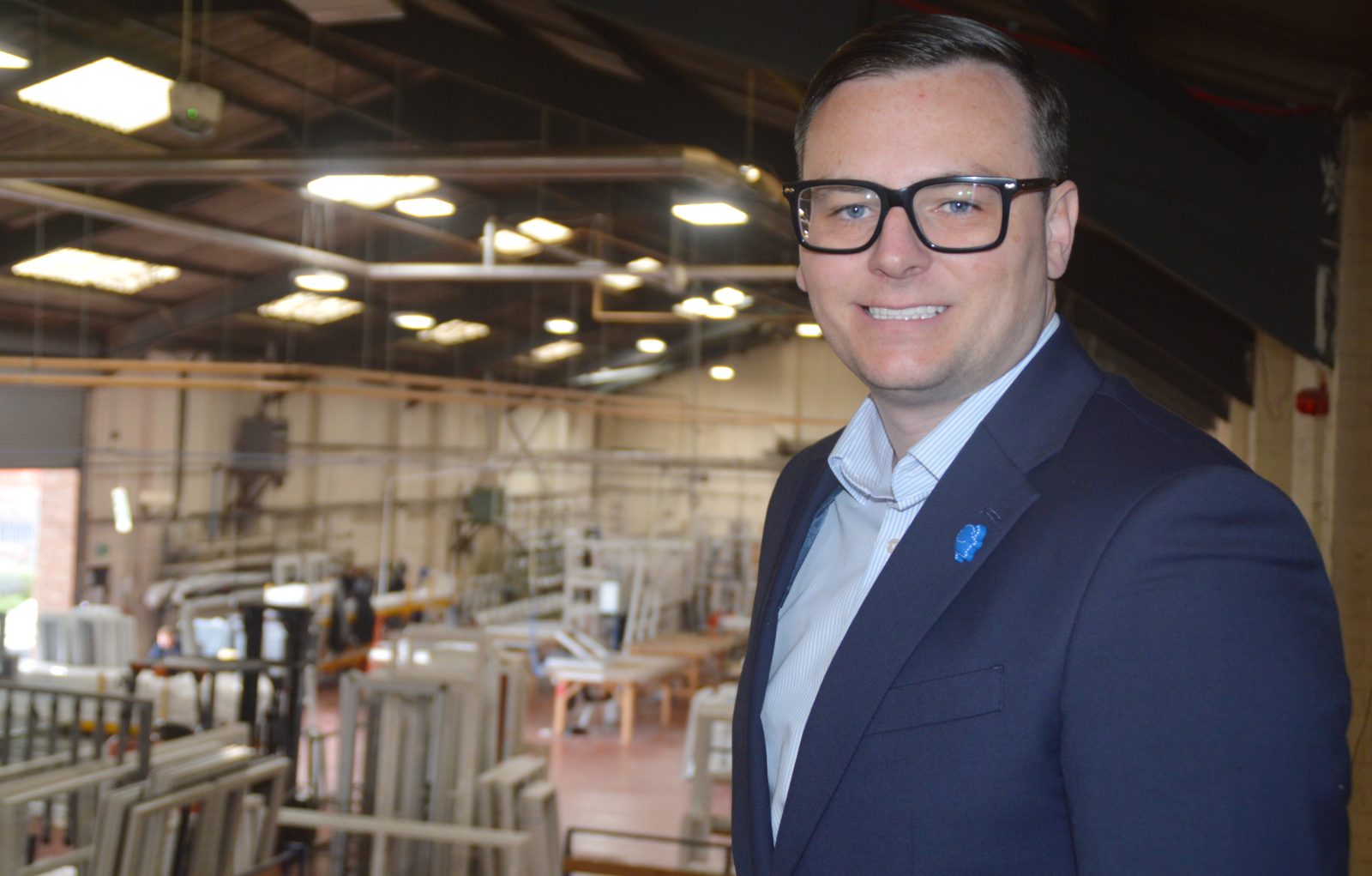
G24-Award Fabricator of the Year Warwick North West’s CEO, Greg Johnson, gives his thoughts on the UK’s housing crisis, and explains how he feels fenestration and fabricators are part of the solution.
The statistics around housing in Britain tell a sobering story. We’re building fewer homes than we need, prices remain out of reach for many first-time buyers, and the rental market continues to squeeze household budgets.
Amongst these trends are real human stories, families unable to put down roots, young people living with parents, and communities fractured by housing insecurity.
Being based in Bootle, one of the most deprived areas in the UK, these issues are always on my mind. At Warwick North West, we see ourselves as more than just a manufacturer. I’m determined that we, and other UK fabricators, become a solution to one of Britain’s most pressing social challenges.
The current landscape
The past 12 months have presented significant challenges for everyone involved in housing and construction. The government has inherited economic headwinds that have made its ambitious housing targets difficult to deliver.
One statistic that hits me harder than any other is that 165,000 children are currently stuck in temporary accommodation. As a parent myself, I find this deeply troubling. When looking at a number on a page, it’s all too easy to forget that these are real children without a stable place to call home, often living in conditions that impact their education, health, and prospects.
Despite the desperate need for more housing, businesses across the construction sector are facing challenges. Rising national insurance contributions have increased employment costs. Energy prices, while coming down from their peaks, remain significantly higher than pre-COVID levels. Supply chain issues continue to cause delays and increase costs. Many companies in the fenestration sector have struggled to stay afloat, let alone grow, in this environment.
Amidst these challenges, it’s hard to be positive, but there is some room for optimism. The government has been consistent with its messaging on house building, which gives our industry much-needed clarity.
The recent spending review earmarked £39 billion for social and affordable housing. This commitment is substantial and signals a real intention to address the housing crisis.
Pathways to progress
Solving Britain’s housing crisis requires a multi-faceted approach. Social and affordable housing is a crucial part of the mix. The government’s commitment to increase funding in this area is welcome and necessary.
But we also need to create pathways for first-time buyers to get their foot on the property ladder. Shared ownership schemes, help-to-buy initiatives, and deposit assistance programs all have roles to play. The aspiration for homeownership remains strong, and providing realistic routes to achieve this is vital.
Interest rates are finally starting to come down, which should help stimulate the housing market. Lower monthly mortgage payments make home ownership more accessible for many families.
Combined with the government’s focus on increasing housing stock, this could create the conditions for a significant improvement in the housing situation.
Skills shortages across the construction industry remain a persistent challenge. The government’s recent announcement of 120,000 new training opportunities, including 30,000 apprenticeships, is a positive step.
At Warwick North West, we’ve taken our own initiatives to address this issue, focusing on youth, apprenticeships, and partnering with organisations that create pathways into employment for underrepresented groups.
Sustainable homes
Environmental considerations are increasingly central to housing policy and practice. New homes need to be built to high energy efficiency standards, while existing housing stock requires retrofitting to reduce carbon emissions and energy bills.
At Warwick North West, we’re particularly proud of our role in creating more sustainable homes. A big part of this is our manufacturing of Modus, a Eurocell product that is one of the most sustainable window systems on the UK market.
These windows use Neovyn resin, which is manufactured in a way that reduces the carbon footprint by 37% compared to standard options. The profile significantly improves thermal efficiency and allows for triple glazing that can achieve U-values as low as 0.7 W/m²K – well ahead of current building regulations.
Positive outlook
Despite the challenges of the past year, I remain optimistic about the future of housing in Britain. The government’s commitment to building more homes is clear, and the funding is starting to flow. As interest rates stabilise and consumer confidence returns, we should see increased activity across the sector.
At Warwick North West, we’re ready to play our part in this national effort. With our sustainable products, skilled workforce, and commitment to social value, we’re positioned to contribute meaningfully to addressing Britain’s housing crisis.