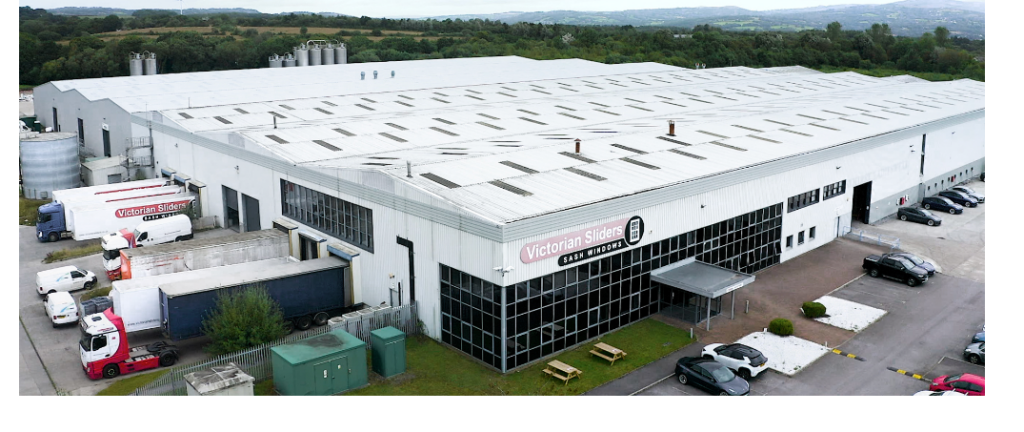

A year has passed since HWL Windows decided to only manufacture a high-value Residence window, moving away from standard casement windows in the process. This required faith in the company’s skill set, according to director, Graham Howatson.
Residence Collection products have always targeted the top end of the market, often positioned as the ‘best’ in a typical ‘good, better, best’ lineup.
While manufacturing Residence windows offers a lot of potential, volume and choice is still a focus for many fabricators. Last year, HWL Windows took the view that investing in premium manufacturing techniques would deliver greater benefits to customers, even if it meant rationalising the product range.
R9 windows were originally designed so that they were mechanically jointed and glass bonded. This process gave the windows their traditional ‘timber’ appearance, while drawing strength from the glass bonding process. But this brought about its own limitations, according to Graham Howatson, director at HWL Windows.
“Residence Collection products really became more prominent in our business about six years ago, around the time that we were increasing the number of units going through our factory that used the Timberweld process,” he says.
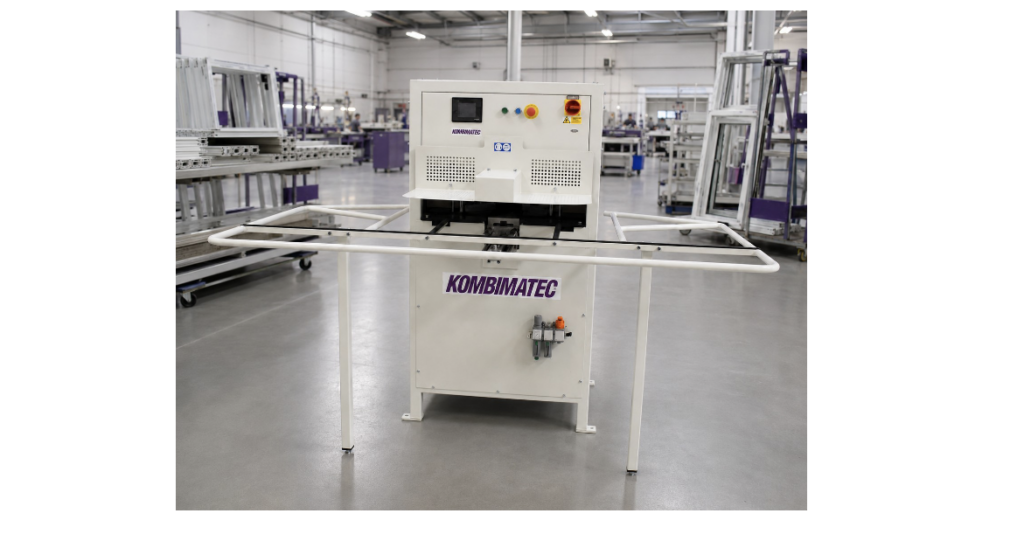
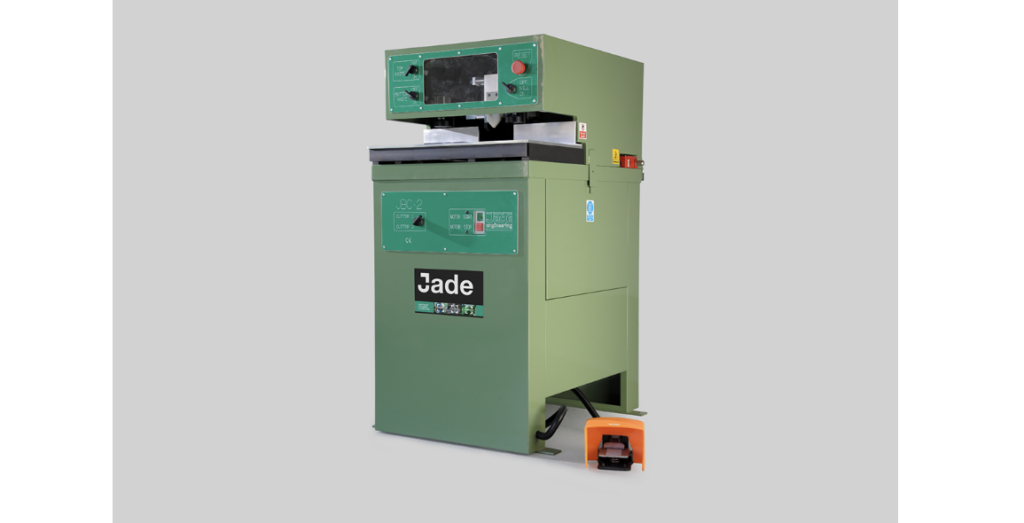
Timberweld is a patented corner welding technique that leaves a traditional-looking mechanical finish on the outside and inside faces, while being much stronger than traditionally mechanically jointed windows.
“Since Timberwelded windows don’t need to be glass-bonded, our customers appreciated the benefits that brought,” Graham says. “As a result, our business grew significantly in a very short period to the extent that that product became a mainstream part of our business.”
HWL then fine-tuned the production process to make sure they were making the best quality product possible, which continued to feed a growing demand for high-end products.
“We saw that pattern continue after the pandemic,” Graham says. “But making that superior product alongside a mainstream product was not an easy thing to do. So, in about September 2021, after looking at our order book and deciding we had the numbers to support it, we focused solely on the high-end product, and dropped standard casement windows.
“Basically, it was ‘now or never’, and we said ‘let’s back ourselves – let’s go for it’!”
This decision ultimately had the support of HWL’s customers, because there were a number of benefits to be had on-site – and in the sales process – if the windows were sold unglazed. And, despite the more expensive product, installers potentially enjoyed a higher return, according to Graham.
“The first thing we had to get right was the weld,” Graham says. “The purpose of the glass bonding was to use the strength of the glass to hold that joint together. And we did that with Timberweld.
“But it’s not until you are on site fitting glass-bonded windows – carrying them up and down flights of stairs – that you realise how difficult they are to handle. It’s probably a three-man job just to manoeuvre one window around a house.
“So, by fitting unglazed windows, you are saving time and manpower, both of which add value to your bottom line.”
While HWL can supply the glass units alongside the frames, Graham points out that there are savings to be made for the installer here too.
“We’re a window fabricator, not an IGU manufacturer,” he says. “Part of the challenge of making and supplying only a superior Residence product is keeping costs down. So, from an installer’s perspective, if you can eliminate a double margin on that glass, and purchase your own, it gives you a more competitive edge, and I think certainly one that’s necessary given the rise in material costs.
“And, ultimately, we need to present a product that’s more cost-effective to the homeowner.”
So, was the decision the right one?
“Residence windows are niche, high-value, high-margin products,” Graham says, “and that’s what we’ve invested in. We were the first fabricator to move away from the glass-bonded manufacturing process, and we’ve increased the value to our product range since, giving our customers greater earning potential in the process.”