

By Ryan Johnson, managing director, Emplas Group
It’s been a tricky few months.
The positive is that the supply chain has now, to a point, stabilised. In most instances we’re getting the materials that we need to get product made and out the factory gates to our customers in the time frames that we would expect to be able to do it.
COVID is still with us but it’s not as disruptive.
What’s made things challenging are the price increases and surcharges, some expected, others coming to us from more or less, out of the blue.
Given the increase in wholesale energy prices, the massive increases that we’ve seen in glass costs was always on the cards. Increases driven by increased demand for resin were also expected to feed through.
But we’ve also seen a multitude of other cost increases, further energy surcharges and on top of that, big increases in what we pay for energy and fuel and labour costs.
Despite this we took the decision to hold our prices for six-months, starting in February this year. It’s a decision which has allowed our customers to price each job effectively, particularly those operating in the commercial sector, where lead times are longer, or those running very big order books.
It’s meant that that our customers haven’t seen their margins eroded because in the space between the time they won the work and the product has been delivered, it’s gone up in price.
We’ve been able to achieve this through an element of margin sacrifice in our own business – but most importantly through the operational efficiencies that we’ve achieved in the last year, which have helped us to control costs to our customers.
COVID made us review everything that we were doing. We asked ourselves a simple question, ‘how could we operate more efficiently to deliver a better service?’. We did that because we had to. Our OTIF wasn’t where we wanted it to be.
But in adapting to those challenges and changing how we work for the better, we’ve been able to drive improved quality and service, while controlling costs.
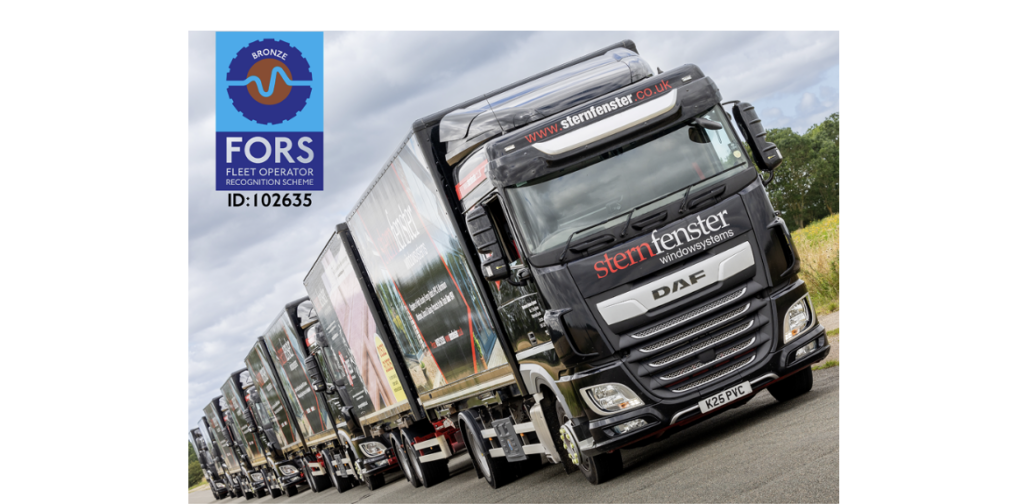
This has included a redesign of our factory floor to improve efficiencies and quality; we invested in a new fleet which has helped to lower the impact rising prices at the pumps are having on all logistics businesses; the solar panels we installed on our roof have supported us in controlling energy costs.
And we’ve also driven cultural change, investing in the training and development of our people, so that they’re more engaged and better at what we do. We review, learn and do better again.
That’s contributed to efficiency gains across our business of between 12 and 15% in the last year.
That’s not something we’ve pocketed and set against our bottom line, we’ve passed it directly to our customers for the past six-months and will continue to do so, as far as we can, going forward.
We’re also investing for that future. Glass supply has been a key pinch point. With our own IGU business, the purchasing power and the partnership we have with Saint Gobain, we’ve been able to take the edge off those price increases for those customers who buy glass from us.
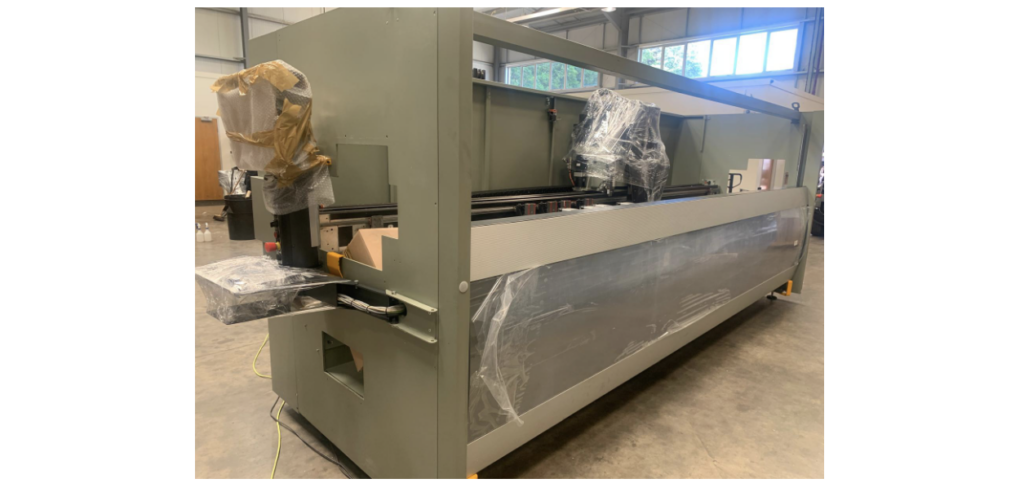
We will strengthen our hand, when we take receipt of a new Forel IGU line in the autumn. At more than £1million, it represents the single biggest investment ever made by an Emplas Group company and will support us in driving further efficiencies, controlling future costs.
Inflation is here to stay in the short term. That creates two key challenges for our industry. Manufacture and supply costs more, at a time when homeowners have less to spend.
We can do little about the latter, but we can control costs – or at the very least some of them.
We’re family-owned, investment led and planning for the future. Will we be able to hold our prices forever? Well, you know the answer as well as I do.
When it happens, our customers will, however, know that it’s not for a want of trying on our part and will have and will continue to benefit, from our investment programme and the controls on costs that it has delivered, going forward.