

In a competitive market, the right hardware partner means far more than access to a good product range. Rob Hartill, commercial director at Safeware, explains why the partnerships behind the products can be just as important as the hardware itself.
I have always believed that the best hardware solutions rarely happen in isolation.
Our manufacturing partners have enormous expertise and continually invest in products that respond to changing standards, technologies and market requirements. At Safeware, our role is to combine that expertise with our market knowledge and what our customers tell us they need.
It means that when a fabricator buys hardware from Safeware, they aren’t simply accessing products from leading brands. They are benefiting from long-established relationships and a collaborative approach that can help make their own business more competitive.
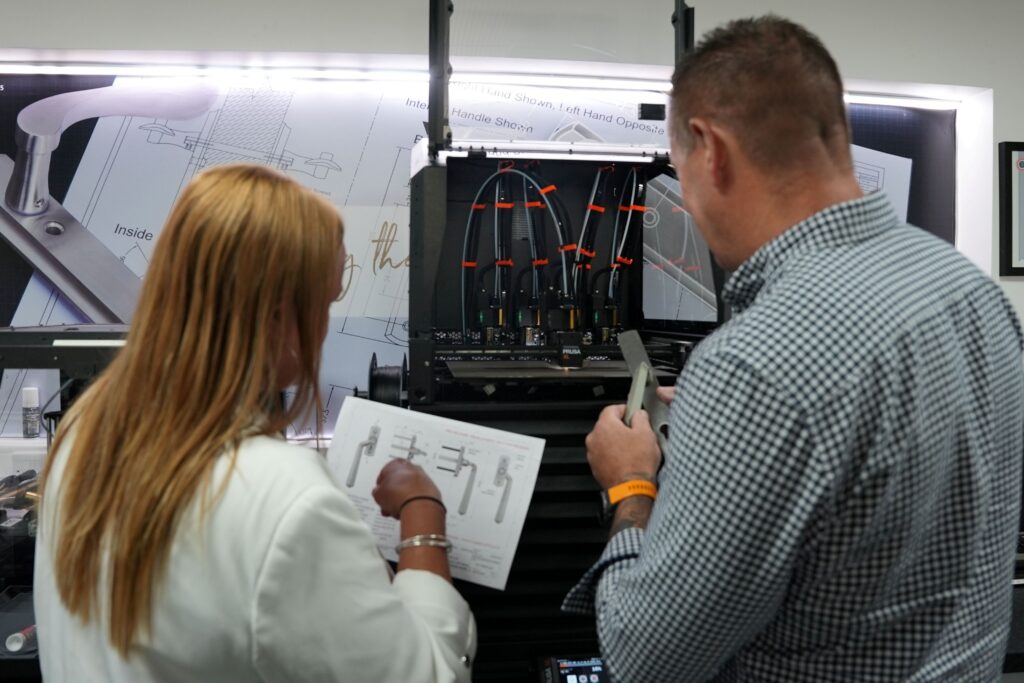
Because we work closely with fabricators every day, we understand the challenges they face, where specifications could be improved and where new opportunities are emerging. Combine that insight with the product and technical expertise of our manufacturing partners and the conversation can begin much earlier.
What are fabricators asking for? Where is the market heading? Could an existing product be adapted or something new developed to give customers a genuine point of difference?
That is where collaboration starts to translate into a competitive advantage.
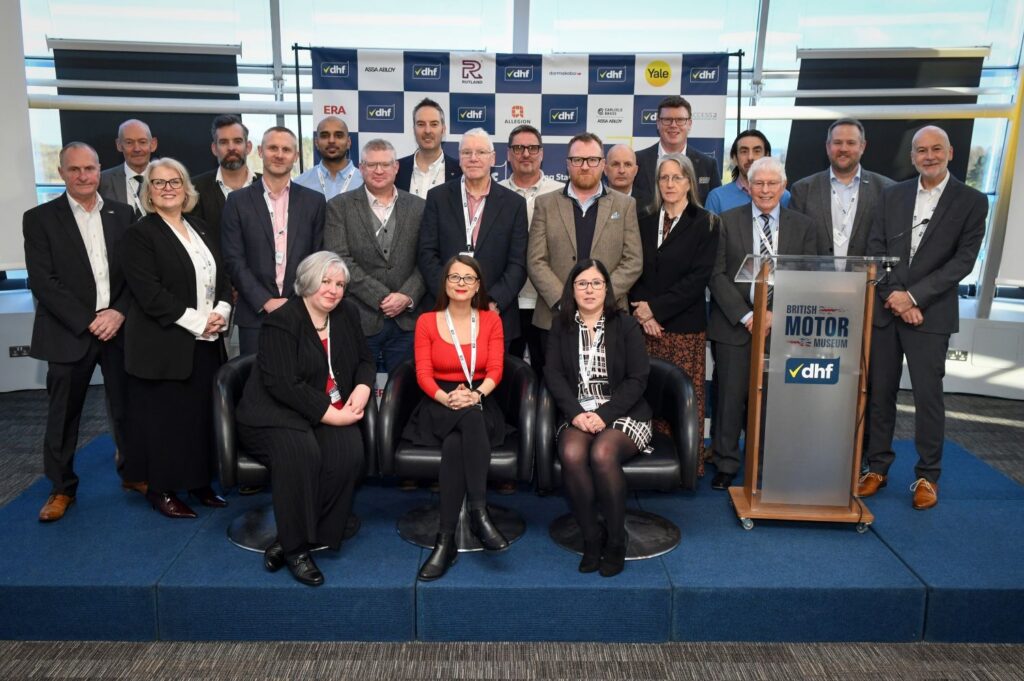
Our relationship with Yale is a good example. Safeware has worked strategically with Yale over a number of years, helping to develop and introduce Yale SensCheck and subsequently identifying the opportunity to take connected hardware into aluminium windows and doors.
But it isn’t an isolated example. We work collaboratively with many of the leading hardware manufacturers, where our technical expertise, customer feedback and market intelligence complement their specialist product knowledge.
For us, innovation has to create value for the customer. That might mean improved security or compliance, easier fabrication, reduced costs without compromising quality or genuine product differentiation.
The same thinking applies when we sit down with a fabricator. Rather than looking at individual components, we review the complete hardware specification to identify opportunities to improve performance, simplify fabrication, reduce costs and future-proof compliance.
For one composite and fire door manufacturer producing more than 2,000 doors every month, Safeware redesigned the complete hardware package. The resulting specification delivered significant commercial benefits while maintaining the required standards of quality, security and compliance, as well as introducing additional product features that further strengthened the proposition for the end consumer.
It demonstrates why the conversation around hardware shouldn’t begin and end with unit price.
Safeware offers more than 2,500 tested and accredited product lines from over 70 supply partners, giving us the breadth to drive new hardware solutions around individual commercial objectives. Whether the priority is efficiency, a premium specification or targeting a particular market, our job is to understand that objective and identify the right hardware solution to support it.
I think this is where the definition of a hardware supplier is changing.
Stock availability, reliable deliveries and technical support remain fundamental, but customers should expect more. A hardware partner that understands the commercial realities facing fabricators, while working alongside leading manufacturers to help drive product development, can turn innovation into tangible commercial value.
And that, for me, is the real Safeware difference. We don’t just give customers access to great hardware. We use the strength of our partnerships to help them design better products and create new opportunities for growth. Because ultimately, the value of collaboration is the competitive advantage we can pass on to our customers.