
Achieving an average OTIF score of 98.5% with a peak of 99.9%, Deceuninck says the benefits of good planning stretch way beyond the factory, creating better service for fabricators, installers and ultimately end-users.
When everything happens as and when it should, it’s easy to take good planning for granted. Like many things in life, behind-the-scenes systems and processes often go unnoticed until something goes wrong, which only serves to highlight their value.
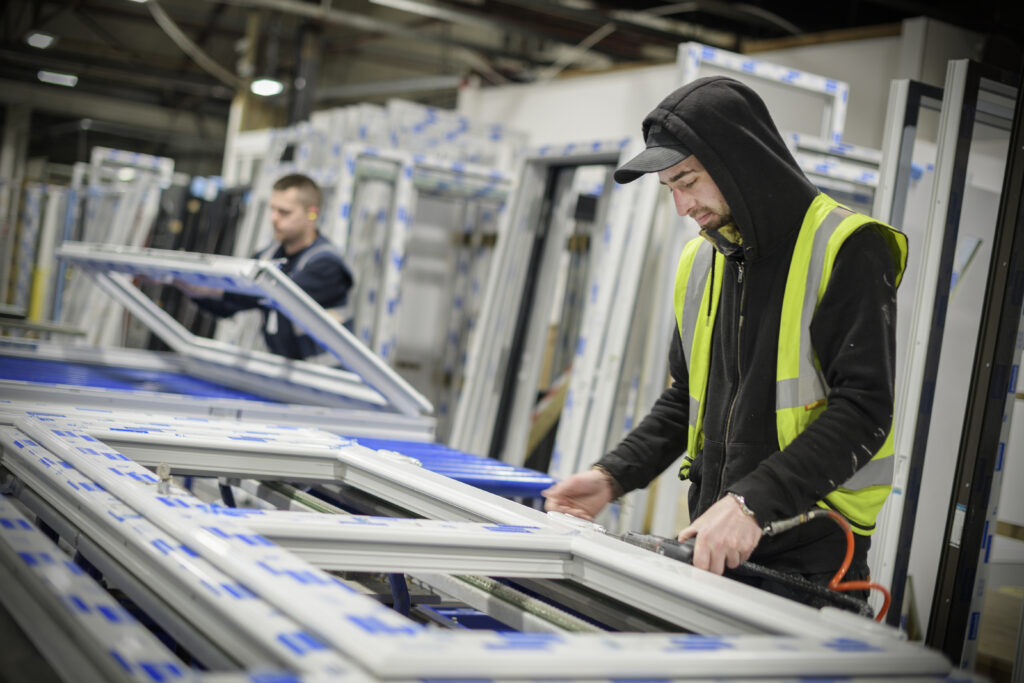
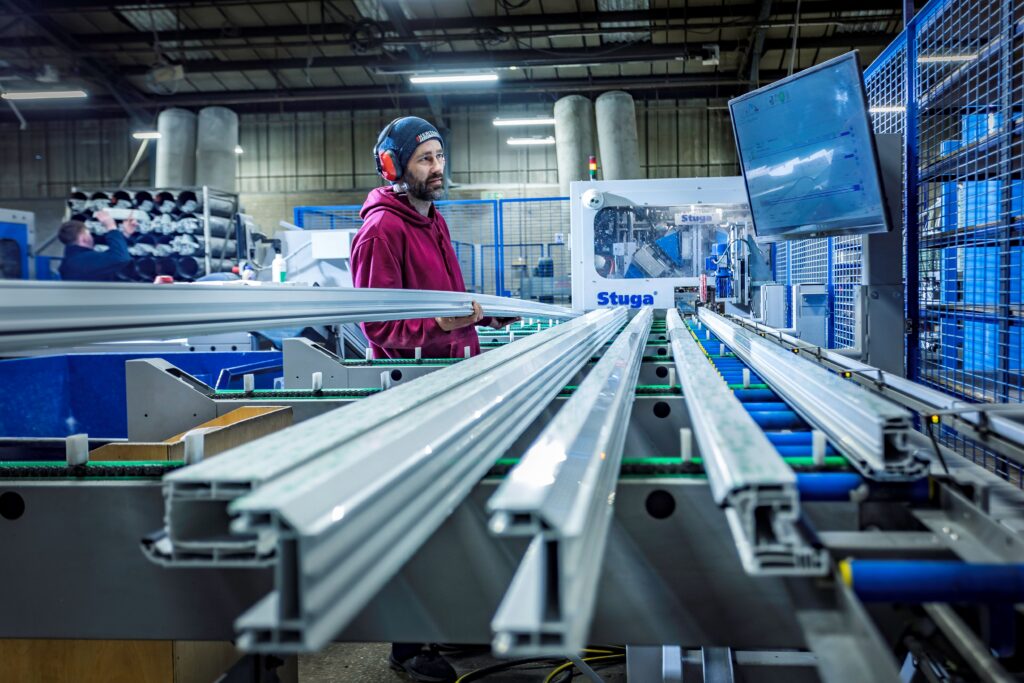
For systems manufacturers, good factory planning isn’t just about production efficiency. It’s about upholding reliability and service throughout the whole supply chain – from the extrusion plant through to the installer pulling up on a customer’s driveway with a van full of windows and doors.
Every order delivered on time keeps fabricators’ production schedules on target, helping them manage labour, organise transport and fulfil their commitments to their own customers. Installers can book fitting dates with confidence, and homeowners experience fewer delays and less disruption.
“People don’t always realise how important planning is because if it works well, it’s essentially invisible,” explains Darren Woodcock, general manager, Deceuninck. “But if you plan everything properly and the whole process works as it should, you end up with a really efficient factory and that efficiency has a domino effect on the service that is provided further down the supply chain.”
A supplier that fully understands the impact of its own performance on customers’ schedules and ultimately end-user experience, Deceuninck’s On Time In Full (OTIF) performance is an accurate measure of its impressive operational capabilities. With an average score of 98.5%, peaking at an exceptional 99.9%, the figures speak for themselves.
“OTIF is really important for us because our customers build their own plans around the commitments we make,” Darren continues. “If we fail to deliver, we’ve disrupted those plans, which affects their efficiency. That can ripple all the way through to the installer and ultimately the end-user, simply because we haven’t executed our own plan properly.”
With a consistently high OTIF score reflecting disciplined planning, careful stock management, effective processes and constant monitoring of its manufacturing operations, Deceuninck’s aim isn’t just to maintain performance.
By continually reviewing the data and identifying opportunities for improvement, the systems house is able to respond quickly while maintaining the high service standards its customers have come to expect.
“Our OTIF level averaged 98.5% and we’ve peaked at 99.9%, which is unsurpassable. That’s an absolute record for us,” says Darren. “We’re always looking at how we can refine our planning to ensure we continue to deliver that level of service.”
With product availability central to its operations, Deceuninck’s strong OTIF score also bears testament to its ability to deliver more than 30 colourways from stock, with a further 20 available through express delivery. This easy access to a wide range of colours, without lengthy lead times, helps to ensure that customers receive the products they need, when they need them, for a better service all round.
As the window and door industry faces increasingly challenging market conditions, reliable delivery helps customers avoid unnecessary delays, wasted time and disruption on site, offering reassurance of a stronger service in an unstable world.
“Behind every successful installation is a supply chain that has delivered on its promises,” concludes Darren. “Not only does that protect efficiency, but it also protects relationships and reputations, which are equally important in business.
“At Deceuninck, we understand the pressures that our customers are under and offering a dependable supply that they can build their own plans around means they have one less thing to worry about.
“Good planning translates to good service and reliability – and that starts with us. If that can be upheld all the way down the supply chain to the end-user, everyone wins.”