
As part of its ‘What You See Is What You Spec’ campaign, Senior Architectural Systems is reinforcing the clarity of its environmental information and calling on the wider fenestration industry to move beyond top-line figures and also adopt the same transparent, evidence based approach.
The call to action follows Senior’s publication of a suite of product-specific Environmental Product Declarations (EPDs) for its aluminium doors, windows and curtain wall systems which challenge the traditional format to provide more accurate data to specifiers.
As part of this move, Senior’s EPDs include the environmental impact of all system components, including thermal breaks, gaskets, and fixings, as well as fabrication and delivery to site via Senior’s fabricator network.
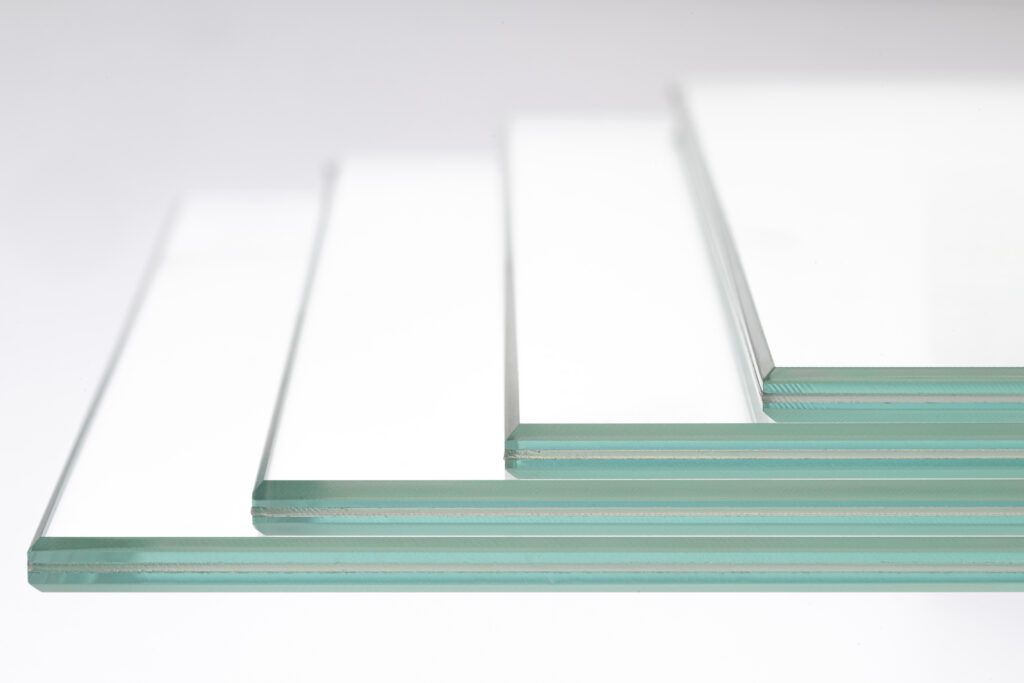
The energy-intensive extrusion process is also accounted for, but importantly the glazing has been omitted. This is because glazing, which is not typically supplied by system houses, can artificially lower the carbon figure for the aluminium system. Senior argues that for complete accuracy, glazing should always be reported separately through its own EPD.
Senior’s campaign is focused on the belief that specifiers should only be given accurate and useful information and is being headed up by the manufacturer’s dedicated UK sustainability lead Luke Osborne.
Under Luke’s stewardship, Senior is said to be reframing the way it communicates information about its low carbon aluminium to provide more detail and context so that specifiers are empowered to challenge some of the bolder claims that are often made.
A key part of this is Senior’s desire to see the industry move away from the over reliance of quoting carbon figures relating to aluminium billets in isolation as this doesn’t account for the extrusion and profiling process and therefore doesn’t reflect the products that are actually installed on site.
For its part, Senior is keen to provide greater clarity around its own aluminium extrusion processes and how that affects the billet figure that is so often quoted. Senior currently offers two options – its standard aluminium, known as ReAl 4.0 and its lower carbon option which is available on request, ReAl 2.0.
Senior’s standard ReAl 4.0 aluminium has a billet figure of 3.5kg CO₂e/kg and an extrusion figure of 0.75 kg CO₂e/kg to give an overall carbon footprint of 4.25kg CO₂e/kg for mill finish aluminium profiles. ReAl 2.0 has a billet carbon footprint of 1.61kg CO₂e/kg, which when added to the 0.75kg CO₂e/kg figure for extrusion process, gives an overall figure of 2.36 kg CO₂e/kg for mill finish aluminium profiles.
Luke Osborne said:
“As carbon figures relating to aluminium billets alone don’t give an accurate picture of the products installed on site, the extrusion process must be factored in to any carbon calculations as well as all the individual components that make up the specific system.
“Otherwise, there are significant discrepancies in terms of what has been claimed, and what is true in reality. With many public sector projects now engaging with carbon auditors to check for this very issue, the need for full transparency is not only an ethical matter but also a commercial one.
“We have developed our EPDs specifically to address this widespread problem and to hopefully buck the trend to create a more accurate benchmark for how the environmental performance of aluminium fenestration systems is positioned and communicated. I firmly believe that EPDs should be open to interrogation, audit, and robust scrutiny, making them a useful resource for specifiers rather than simply a marketing or sales tool.”