
From GRP composite apartment entrance doors, with fanlights and sidelights, to internal timber fire doors for kitchens and service cupboards, Hurst Doors’ involvement in a major social housing upgrade has reinforced its position as a reliable, compliant supplier of fully certified fire door solutions across both composite and timber formats.
The Hull-based manufacturer partnered with Hurst Joinery Projects – an associate company within the Hurst Group – to supply thousands of fire door sets for a large-scale housing refurbishment programme.
Delivered in collaboration with a housing contractor responsible for more than 26,000 council-owned properties, the project required both internal and external fire doors manufactured to the highest standards.
Hurst Doors has been supplying GRP composite FD30 fire doors for several years as part of the scheme. When a requirement for internal timber doors emerged, Hurst Joinery Projects was appointed to deliver over 2,000 fire-rated door sets from the AynsleyFire range. Composite doors were installed to main apartment entrances and communal areas, while timber fire doors were used for kitchens, stores and service cupboards.
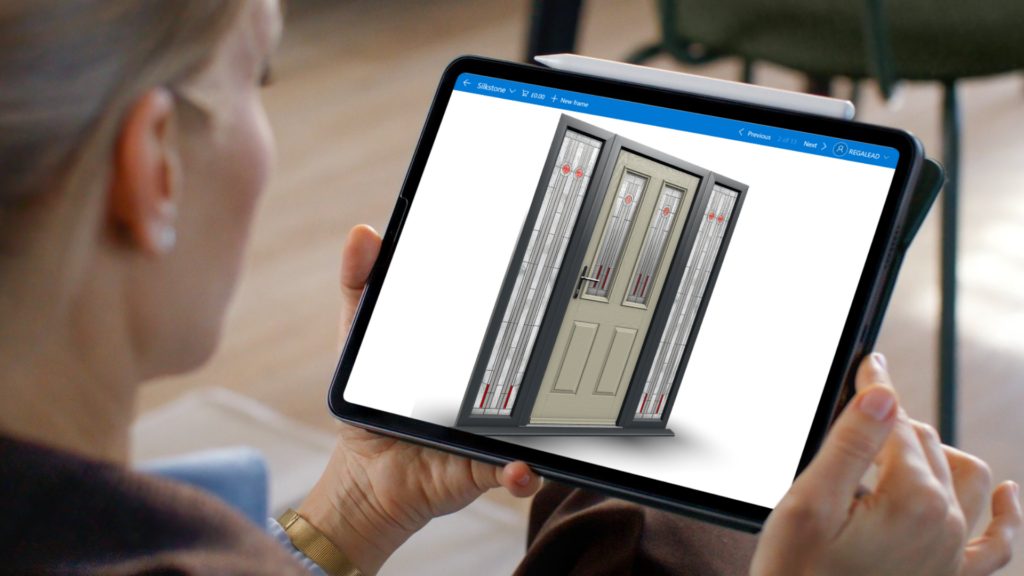
“This project demonstrates the strength of our collective offer,” said Mark Atkinson, sales director at Hurst. “By working together across the Group, we’re able to provide a joined-up solution that covers both external and internal requirements, from solid and glazed FD30 composite entrance doors with fanlights and sidelight to certified FD30 and FD60 timber fire doors – all tailored to the specific needs of each site.”
All doors were manufactured in line with Q-Mark certification, with elements such as leaf sizes, intumescent seals, glazing, and hardware specified in accordance with approved test data – ensuring each doorset meets the required performance standards.
“Our customers benefit from the ability to specify both composite and timber fire doors from a single, fully accredited supplier,” Mark continued. “It simplifies the process and provides the certification and technical clarity they need, all delivered at scale.”
The internal timber fire door sets were supplied with softwood frames and GDC door leaves, finished with hardwood lipping and a primed surface ready for on-site painting. Internal entrance doors were supplied in hardwood frames with clear lacquered Oak veneers and a factory-applied satin white finish. Ironmongery options included electric strikes for access control and free swing closers linked to the building’s fire alarm system.
While Hurst’s composite FD30 fire doors have been tested to EN 1634 and deliver an average resistance time of 44 minutes, almost 50% above the standard requirement, its timber fire doors are tested to BS 476 and comply fully with their respective performance standards. Both ranges are Q-Mark certified and manufactured under the Fire Door Manufacturing Scheme operated by BM TRADA.
All stages of Hurst’s manufacturing process have been audited under the Q-Mark Fire Door Manufacturing Scheme, with both composite and timber fire doors tested and certified for fire resistance, and enhanced security, significantly reducing the risk of product failure.
“As a Q-Mark accredited supplier, we provide the assurance that every product, composite or timber, has been manufactured and tested to rigorous, recognised standards,” added Mark. “That kind of clarity is essential in today’s compliance landscape.
“Fire doors play a vital role, particularly in social housing and public buildings, where safety is paramount,” he concluded. “We take our responsibility seriously, not just in meeting performance standards, but in supporting the systems and documentation that keep people safe. Lives depend on it.”