
Chris Baron, operations director at Sheerline Bespoke, looks at why aluminium-led design is reshaping the glazed roof and extension market.

The glazed roof market is changing at pace, and from where I’m sitting, we’re entering one of the biggest shifts the sector has seen in years. As demand for traditional PVC-U conservatories continues to decline, installers and fabricators are being pushed to adapt to take advantage of a fast-growing opportunity. And increasingly, that opportunity lies in aluminium.
For me, aluminium’s rise isn’t a trend. It’s the natural next step in the evolution of our industry.
Homeowners are being influenced by Grand Designs-style architecture, and they’re looking for the clean, contemporary lines they see online and on TV. They want larger spans, big sliders, slim bi-fold doors and picture-frame glazing.
PVC still has its place of course, thermally it’s fantastic, but when it comes to the strength, aesthetics and precision required for high-end glazed roofs and extensions, aluminium is now the material of choice.
One of the clearest signs of market change is what we’re seeing in roof design. Over 60% of the roofs we produce today are lean-tos or simple mono-pitch structures which is a huge departure from the three-, five- and seven-facet Victorian styles that dominated in the 90s and early 2000s.
The reason is simple: homeowners want better use of space, and installers want products that are easier to fabricate and fit. A clean rectangular footprint delivers more floor area, suits more property types, and, importantly, looks like a natural extension of the home instead of an add-on.
Modern glazed extensions are expected to blend seamlessly with an existing architecture. With today’s powder-coating technology, colour stability and finish quality, aluminium helps achieve that.
Unlike PVC, aluminium doesn’t fade, warp or discolour. It stays true to its design intent for decades, and that long-term stability matters to consumers investing serious money in a premium extension.
Although the market has leaned heavily toward solid roofs in recent years, we’re now seeing renewed interest in glazed roofs and spaces, but in a very different form to the conservatories of old.
The demand for full aluminium roof kits that combine perfectly with a suite of aluminium windows and doors is rising sharply. They are easier to fabricate and easier to install, and with aluminium full kit conservatories the glazed extension is set to become interesting again. And it is it is the aluminium is driving that.
Homeowners opening the back of the house want a seamless flow from kitchen or living room into the extension and out into the garden through large aluminium sliding patio doors or bi-fold doors.
To achieve that, the roof system above needs to match the strength and performance of the doors below.
Looking ahead
If there’s one lesson the industry has learned over the last decade, it’s that consumers don’t want ‘bolt-on’ conservatories anymore. They want real, usable extensions that feel like part of the home. Aluminium enables that.
Our S3 Architectural roof system has been designed specifically for this shift to contemporary aluminium living spaces. It’s square, minimalist and engineered to meet the expectations of modern homeowners who want that high-end architectural look.
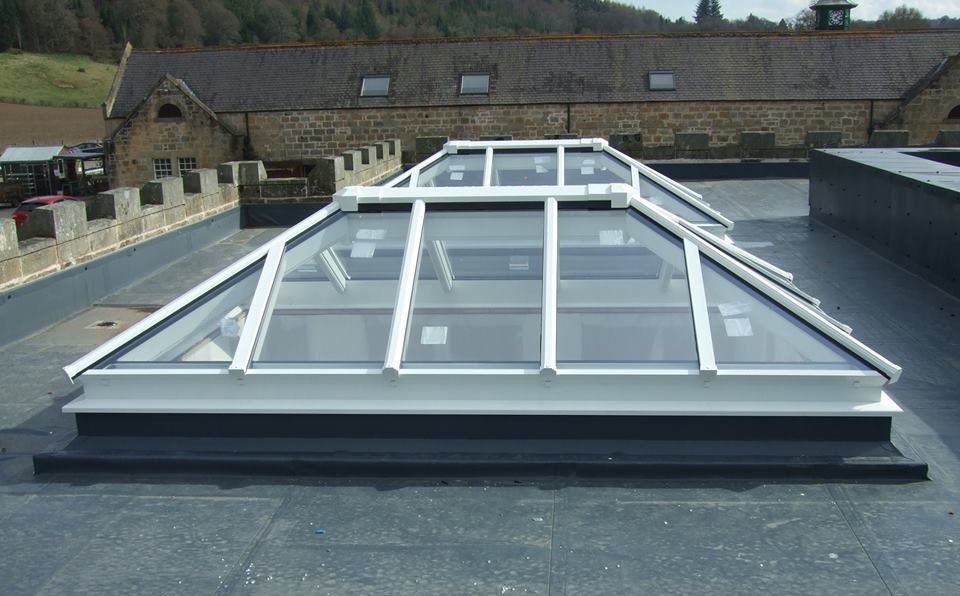
Alongside the S3, our S1 Roof Lantern continues to be a strong choice for premium single-storey extensions which can be supplied in conjunction with our flat roof system, a full kit solution saving the installers time and money on site.
As the sector continues to evolve towards cleaner lines and integrated aluminium structures, I believe we’re only at the start of what’s possible. And for fabricators and installers willing to embrace aluminium, the future of fenestration is full of opportunity.