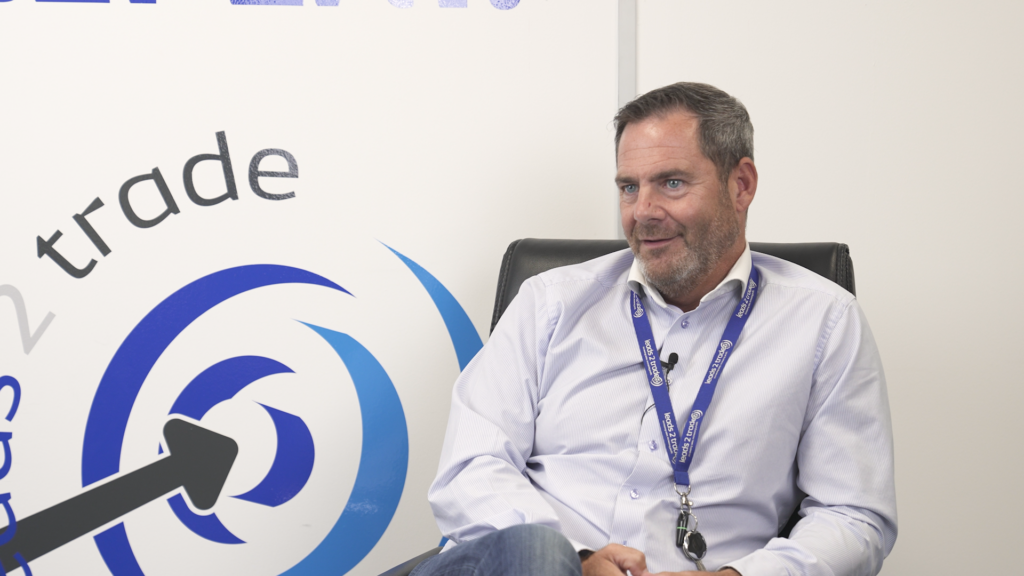


Mark Dudley, managing director of Windowlink, has been developing software solutions for the fenestration industry since 1985. Here, he addresses common concerns about switching manufacturing software and explains how the process can be much smoother than many fabricators expect.
Most people know us for our quoting software these days, but we actually started out building software for manufacturers, and it’s still a big part of what we do.
After nearly four decades in this industry, I’ve heard countless reasons why businesses postpone switching their software provider, even when they’re unhappy with their current system. While being cautious is understandable, many of these concerns are based on misconceptions rather than reality.
Perhaps the biggest concern is that switching software will take months of valuable time and disrupt your entire operation. In reality, a standard installation of our software can be completed within just two weeks. It’s even possible, if no significant changes are made to our standard frame system data, for the software to be usable on day one.
You’ll lose existing data
Data loss is a legitimate concern, but what many businesses don’t realise is that a transition doesn’t have to be disruptive – in fact, it can be a valuable opportunity to review, clean, and optimise your data.
Migrating to a modern system allows you to strip out outdated products, tidy up pricing inconsistencies, and ensure everything is structured for better long-term efficiency. Rather than seeing a software switch as a risk, many come to see it as the moment their business became more streamlined and easier to manage.
Our team won’t cope
Staff resistance to change is natural, but it’s rarely the obstacle many anticipate. We’ve designed our software with user experience as a priority, making it intuitive even for those who aren’t tech-savvy.
More importantly, we don’t simply deliver software and leave you to figure it out. We offer a full training program with hands-on sessions, detailed documentation, and ongoing support to ensure your team feels confident using the new system.
We’ll fall behind
The fear of productivity dropping during transition is understandable, especially for businesses working to tight deadlines. However, this kind of thinking causes fabricators to get stuck with a system they have to battle against or that doesn’t suit their growing needs.
With proper planning, your operation can maintain its schedule throughout the process. Plus, with most standard installations only taking two weeks, the disruption is minimal.
Our proven 5-Step transition process
To ensure a smooth transition, we’ve developed a comprehensive five-step switching process:
- Understanding your needs: First, we sit down with your team to thoroughly understand your operations, challenges, and goals. This allows us to tailor our software specifically to your business, something most fabricators don’t get with their software.
- Creating a roadmap: Next, we develop a detailed transition plan that covers everything from data migration to staff training. We schedule each step carefully to work around your business demands, ensuring minimal disruption.
- Customising the system: We then configure the software to match your requirements. This customisation helps your team adapt more quickly while improving upon inefficient processes.
- Testing thoroughly: Before full implementation, we run extensive tests using your actual data and scenarios to ensure accuracy and reliability.
- Supporting the launch: Finally, we guide you through the go-live process with experts on hand to address any questions or concerns.
Making the decision
If you’re hesitating about switching software because of these common concerns, I’d encourage you to consider what’s on the other side. So many fabricators battle with inefficient systems that they’ve outgrown, aren’t tailored for their business, and haven’t been updated in years.
Instead, you could have modern software customised for your business that streamlines your entire operation, reduces errors, and ultimately improves your bottom line. The short-term investment in transitioning pays long-term dividends in productivity, accuracy, and customer satisfaction.
The question is, can you afford not to switch?