
Adding rooflights is a popular way to improve the quality of a space and increase access to natural light. However, an incorrectly specified rooflight can pose a danger to occupants due to the glass they use and the design of their frames. Here, Tony Isaac, sales director at Brett Martin discusses the difference between laminated and toughened glass and how the design of a rooflight can impact how safe it is for installers and building occupants.
As an installer, you’ll be familiar with the growing trend of adding rooflights to properties. These can dramatically transform spaces, flooding rooms with natural light and creating a sense of openness. However, before you specify and install a rooflight, you need to understand the various safety implications.
Which type of glass is best?
The two main types of glass used in rooflights are toughened and laminated glass. Both have distinctive characteristics that affect their safety and suitability for different applications.
Toughened glass, also known as tempered glass, is created by heating a piece of float glass to over 600°C and then rapidly cooling it. This process alters its initial structure, making it stronger than standard glass. Although it is highly resistant to impacts, it can break. Tools dropped on it, or damage to the edges during delivery or installation can cause the pane to shatter, raining small pieces of glass into the room below.
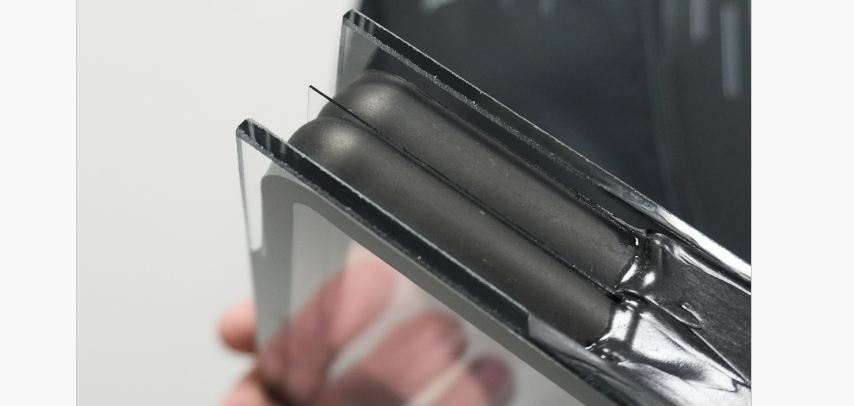
Laminated glass consists of two layers of float glass with a polymer layer bonded between them. If the glass breaks, the polymer holds the pieces in place, forming a spider-web pattern rather than allowing the glass to fall on the occupants below.
When it comes to rooflights, while both types of glass are engineered to minimise injury risks, laminated glass offers superior safety due to its ability to stay intact upon breaking. This is why many industry experts and the Rooflight Association recommend installing double-glazed rooflights with a toughened glass outer pane and a laminated inner pane.
BS 5516-2, the standard for patent and sloping glazing for buildings, also stipulates that rooflights should have a laminated inner pane for installations larger than 3m2 squared or more than 5m above floor level.
Framed or frameless rooflights?
The design of the rooflight itself also plays a critical role in the overall safety and performance of the installation. Rooflights with an aluminium frame, like those offered by Brett Martin, provide enhanced protection and durability. The frame securely holds the glass in place and is fastened to the roof using screws, ensuring the unit remains stable under various conditions.
These rooflights are designed to manage water efficiently, reducing the risk of leaks and potential damage over time. Additionally, framed rooflights are more likely to be designed and tested to meet stringent safety and performance standards.
While frameless rooflights offer a sleek, modern aesthetic, significant safety concerns exist. These units are typically bonded to the roof with silicone rather than mechanical fixings. Over time, the silicone can degrade, leading to potential leaks or even total failure of the rooflight under severe weather conditions. The Rooflight Association has reported incidents where frameless rooflights have failed, causing the glass to fall into the space below or where the wind has dislodged the entire unit.
Safety considerations
When installing rooflights, prioritise safety by ensuring laminated glass for the inner pane and toughened glass for the outer. Opt for rooflights with a robust aluminium frame. This design secures the glass and provides better thermal performance and water management. The frame also helps to distribute any loads evenly, preventing the glass from breaking under stress. Finally, compliance with relevant UK standards and building regulations must be verified, including proper U-values, security classifications, and non-fragility ratings.
Remember, while rooflights offer tremendous benefits in terms of natural light and aesthetic appeal, safety must come first. By choosing the right type of glass and a well-designed frame, installers can help enhance the safety, performance and longevity of their rooflight installations.