
As the fenestration industry continues to drive towards better energy performance, lower carbon emissions and smarter fabrication, we talk to Tony Palmer, head of sales at Edgetech, who explains why triple glazing is becoming more relevant than ever.

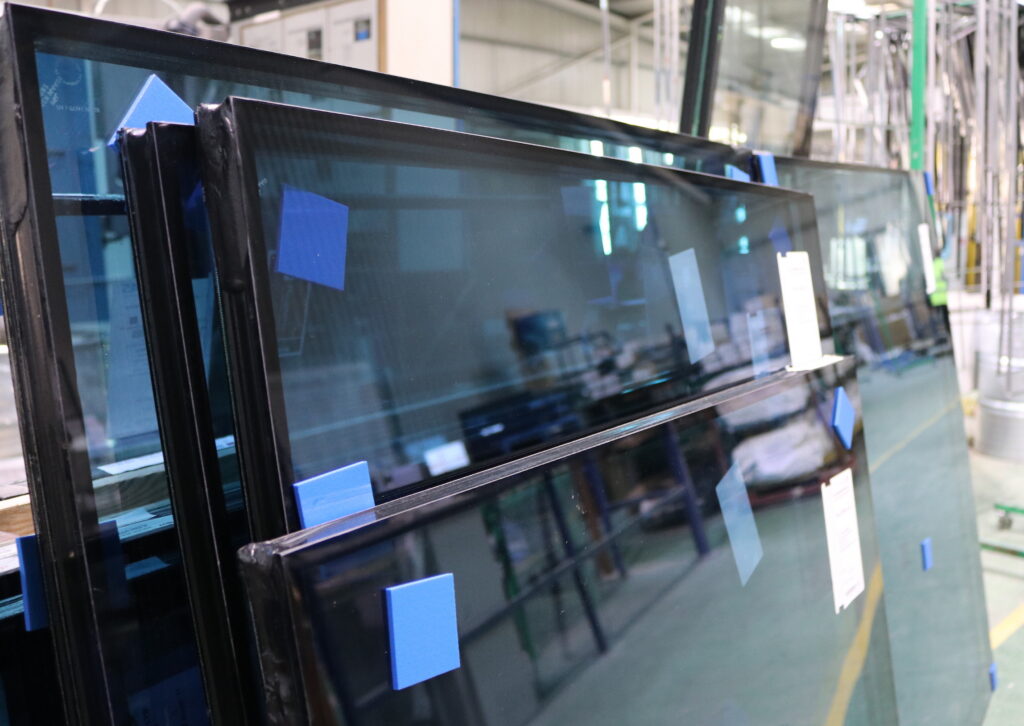
Traditional triple-glazed units have long faced criticism for being heavy, bulky, and challenging to manufacture. But now a new generation of thin triple IGUs, powered by Edgetech’s Super Spacer warm-edge technology, is set to change the game completely.
And according to Tony Palmer, head of sales at Edgetech, it’s a turning point for the market: “Thin triples deliver the performance the industry has been asking for, but without the compromises. We believe this evolution will reshape the glazing landscape in the UK.”
So, what makes thin triples the future of triple glazing?
1: U-values as low as 0.7–0.9 W/(m²K)
At a time when both consumers and specifiers are demanding ever-better thermal performance, thin triples deliver exceptional U-values, achieving between 0.7 and 0.9 W/(m²K). By placing a central ultra-thin glass pane within a sealed unit, IGU manufacturers can achieve outstanding insulation while maintaining durability and structural integrity.
2: Designed to fit standard 70mm frames
One of the biggest barriers to wider triple glazing adoption has always been compatibility with existing systems. Thin triples remove that obstacle. Unlike traditional triple-glazed units, thin triples are designed to fit seamlessly into standard 70mm window systems and require just a single outer seal, like a double-glazed unit, rather than the traditional double sealing process.
3: Over 65% lighter than conventional triple glazing
Heaviness has long been a drawback of traditional triples, affecting everything from handling and transport to hardware strain and installation. But with a slim centre pane and precision assembly using Super Spacer, thin triples are over 65% lighter than typical triple-glazed units, making them easier to work with and safer to handle.
A win-win
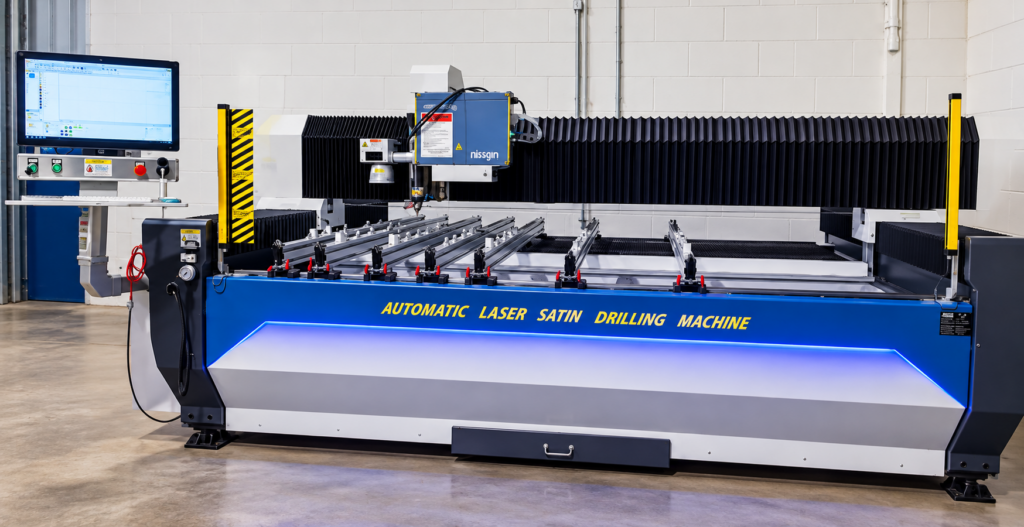
A modified Forel High Speed Line can produce thin triple units at speeds comparable to the most efficient automated double-glazing production machinery, marking a new era in triple glazing, according to Tony.
“Fabricators don’t want to retool or rethink their entire product range,” he says. “The beauty of thin triples is that they slot into existing profiles, allowing manufacturers to upgrade their offering and meet tightening regulations without a major overhaul of their production setup.
And reducing weight without compromising performance is a win-win. It’s easier for IGU manufacturers, easier for installers, and ultimately better for homeowners.”
With the first UK thin triple line expected to be operational by the end of the year, thin triples represent a smarter, more practical path to high-performance glazing; and with Edgetech’s Super Spacer at the heart of the innovation, the future of triple glazing has never looked clearer.