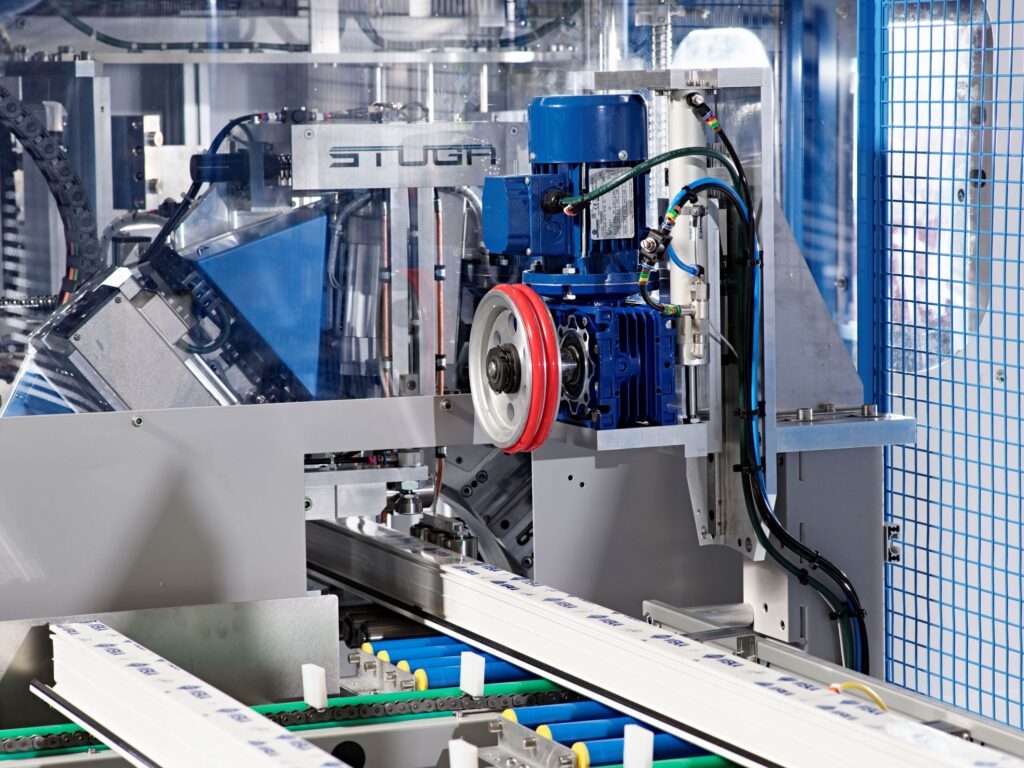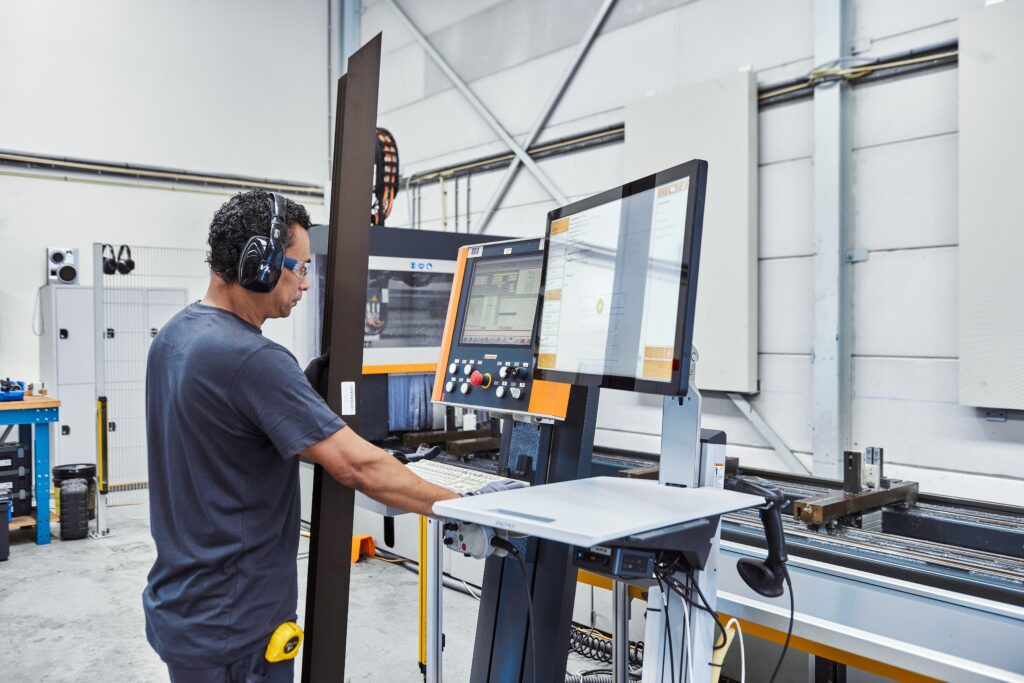

As thin triple glazing gains momentum in the UK market, glass manufacturers face an important question: how can they adapt their production capabilities to meet evolving customer requirements while maintaining efficiency, quality and profitability? Flat Glass Solutions’ David Cahill believes the answer lies in investing in the right equipment, support and expertise to give manufacturers the flexibility to succeed, whatever the future holds.
The arrival of thin triple glazing has generated significant interest across the industry, offering manufacturers a new way to achieve increasingly demanding thermal performance targets while overcoming some of the handling and weight challenges traditionally associated with triple-glazed units.
More than a decade after triple glazing was debated extensively at the original Triple Glazing Question forum, advances in glass technology, coatings and manufacturing processes have helped make thin triple a more practical proposition for a wider range of applications.
However, according to David Cahill, managing director of Flat Glass Solutions (FGS), the conversation should not be framed as a choice between thin triple glazing and high-performance double glazing.
“Both products have an important role to play in the market,” says David. “The industry is continuing to innovate and thin triple glazing is an excellent example of that progress. At the same time, modern high-performance double glazing remains a highly effective solution for many applications.
“The key challenge for manufacturers is ensuring they have the equipment, processes and support in place to efficiently produce the products their customers require, both now and in the future.”
With changes to building regulations and growing focus on energy efficiency, many manufacturers are exploring how their production capabilities may need to evolve. For some, this may include the introduction of triple glazing into their product offering, while others may focus on improving quality and consistency across existing product ranges.
David believes success will depend on choosing machinery and production solutions that deliver flexibility and long-term value.
“Whether a manufacturer is producing high-performance double glazing, triple glazing or thin triple glazing, or a combination of all three, operational efficiency remains critical,” he explains.
“Investment decisions should be based on a clear understanding of production requirements, return on investment and future growth plans. The right machinery can help manufacturers improve productivity, reduce waste, maintain quality standards and adapt more easily as market requirements change.”
At FGS, supporting manufacturers through those decisions is central to the company’s approach. Rather than promoting a one-size-fits-all solution, the business works closely with customers to understand their individual requirements before recommending equipment and production systems from its global network of machinery partners.
“Every glass processor is different,” says David. “Our role is to help customers identify the most suitable solution for their business, whether that’s increasing capacity, improving automation, enhancing quality control or preparing for new product opportunities such as thin triple glazing.
“Investment in machinery represents a major strategic decision for IGU manufacturers, making confidence in both the equipment and the long-term support infrastructure essential.”
That commitment is underpinned by continued investment in both international and UK operations. The establishment of a dedicated office in China has strengthened relationships with manufacturing partners, streamlined communication channels and accelerated project delivery, ensuring customers benefit from greater efficiency throughout the supply process.
At the same time, new appointments in the UK engineering team have enhanced aftersales support. The recent appointment of an additional maintenance engineer increases capacity to deliver responsive service, preventative maintenance and technical support across a wide range of machinery. This expertise extends beyond equipment supplied directly by the company, enabling comprehensive support for machinery from multiple manufacturers and reinforcing its position as a trusted long-term partner to the glass processing industry.
“The industry is evolving and manufacturers need partners who can help them navigate change with confidence,” David concludes. “Thin triple glazing is an exciting development and will undoubtedly create opportunities for many businesses. Our focus is on helping customers ensure they have the right equipment, expertise and support to maximise those opportunities while continuing to deliver outstanding quality, efficiency and service.”