
By Simon Boocock, managing director of CR Laurence UK.
The influence of heritage glazing continues to shape contemporary architectural design. The distinctive appearance of slim, steel-framed windows has become one of the most recognisable features in both residential and commercial buildings, valued for clean sightlines and ability to maximise natural light.
In recent years, however, the trend has expanded beyond the building façade. Architects and designers are increasingly looking for ways to extend that same aesthetic into interior spaces, allowing the architectural language of external glazing to be echoed throughout the building. Internal glazed partitions and doors are playing an increasingly important role in achieving this continuity.
At CR Laurence, this shift has informed the development of our Brooklyn system. Designed specifically for interior applications, Brooklyn is a heritage-style aluminium sliding door system that allows designers and installers to recreate the visual appeal of traditional steel glazing while benefiting from the practicality of a modern aluminium system.
Importantly, Brooklyn is intended for internal use only. Rather than replacing exterior glazing systems, it has been designed to function as a stylish interior partition solution. The system allows installers to create sliding doors and glazed partitions that help define spaces while maintaining the light and openness that modern interiors demand.
Sliding systems are particularly well suited to today’s interior layouts. While open-plan living and working environments remain popular, many projects now require greater flexibility within those spaces. Sliding glazed doors offer a practical solution, allowing areas to be separated when needed without permanently closing them off.
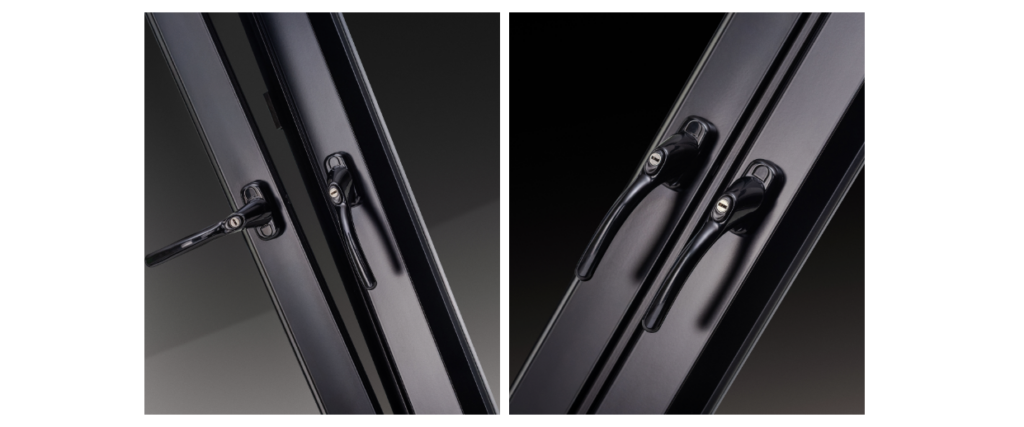
The Brooklyn system combines this flexibility with the classic appearance associated with heritage glazing. The slim aluminium framework and distinctive glazing bars replicate the visual character of traditional steel-framed windows, creating a strong architectural feature within the interior.
Matte black framing has become synonymous with this style and remains one of the most sought-after finishes. The bold linear structure adds definition to the space while the glazed panels ensure light continues to flow between rooms.
In residential settings, heritage-style sliding partitions are commonly used to separate kitchens and living areas or to create dedicated home office spaces without losing the benefits of an open-plan layout. In commercial environments such as offices, hospitality venues and retail spaces, the same approach can be used to create meeting rooms, private areas or transitional zones within larger interiors.
Alongside the aesthetic appeal, practicality for installers has been a key consideration in the development of the Brooklyn system. Aluminium systems provide a more accessible alternative to traditional steel glazing, which often requires specialist fabrication and longer lead times.
Brooklyn has been designed with installation efficiency in mind. The aluminium construction offers a lighter and easier-to-handle solution compared with steel, while the modular system allows installers to configure sliding doors and partitions in a variety of layouts. This flexibility makes it suitable for a wide range of interior applications.
The sliding mechanism itself also brings practical benefits during installation and everyday use. Sliding doors require less clearance than hinged doors, which makes them particularly useful in projects where space optimisation is important. The track-based design allows doors to move smoothly while maintaining the slim, heritage-inspired appearance that defines the system.
Another advantage of internal heritage-style glazing is its ability to create visual continuity within a project. When a building features steel-framed or heritage-style windows externally, incorporating similar grid patterns and slim profiles inside helps carry that architectural style throughout the space.
By using an internal system such as Brooklyn, designers can mirror the exterior aesthetic within the interior, creating a cohesive and well-considered design language across the whole property.
As the demand for flexible interiors continues to grow, sliding glazed partitions are becoming an increasingly valuable design tool. They allow spaces to remain open and light while still offering the option to introduce separation when required.
For CR Laurence, the Brooklyn sliding door system reflects this evolution in interior glazing. By combining the heritage-inspired appearance of steel glazing with the practical benefits of a modern aluminium sliding system, it provides installers and designers with a solution that delivers both visual impact and installation efficiency for contemporary interiors.