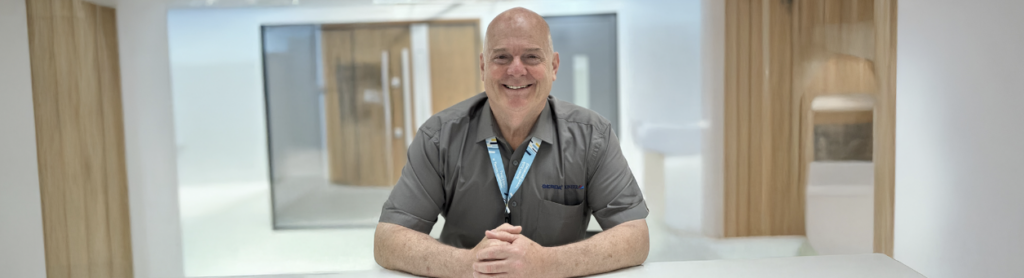

Elton Boocock, founder of Thinkivity – which provides AI consultancy and training exclusively for the UK glazing industry – explains why ChatGPT can’t do everything and highlights alternative solutions for common tasks.
Most glazing businesses are now familiar with ChatGPT. You’ve probably used it to help write an email, tidy up a social media post, or summarise a product message. It’s fast, convenient, and surprisingly good at times. But it’s not always the right tool for the job.
We’ve had conversations recently with business owners, marketers, and even fabricators who are trying to use ChatGPT for everything. Writing emails, summarising meetings, making images, even building customer calculators. And when the results fall short, they assume it’s because the AI isn’t good enough.
Think of AI like your toolkit. ChatGPT is the multi-tool. It does a bit of everything, which is great for quick tasks. But if you want precision, speed, or a polished result for a specific job, you’ll get better outcomes from something built for that task.
It’s no different to glazing. You wouldn’t use a silicone gun to install a frame or a spirit level to mark cut lengths. The tool matters. AI works the same way.
Here are a few common glazing sector tasks where switching tools can save time and improve results:
- Turning complex specs into visuals: Trying to get ChatGPT to build a diagram? You’ll likely end up frustrated. Instead, tools like Piktochart, Canva, or Visme let you turn technical documents into clear, on-brand infographics or diagrams.
They are perfect for showing homeowners the difference between frame styles, energy ratings, or glass types, without needing a graphic designer.
- Summarising meetings or site visits: ChatGPT can summarise a transcript if you already have one, but getting a good summary from a voice memo is fiddly. Instead, use a dedicated AI notetaker such as Otter, Fireflies, or Plaud.
These tools capture your meeting, then generate a clear breakdown of what was said, what was agreed, and what needs action. Great for sales teams, installers, or project managers who want to stay present in the conversation but not lose any detail.
- Creating on-brand images: ChatGPT doesn’t do images well, but AI tools such as Midjourney or OpenArt do. These are ideal for creating visuals when photography isn’t available. Want a photo-style image of a modern bi-fold door in a kitchen diner? You can create it in minutes.
And if you want something that runs automatically, such as branded image creation for a quote or showroom post, platforms like Creatomate can generate these at scale.
- Quoting and customer calculators: We’ve seen businesses try to use ChatGPT to build quote forms. It’s not designed for that. For something accurate and secure, use a tool tailored to quoting, or build a calculator that runs on your pricing rules.
General AI can help draft the content, but not the logic or structure. This is where a custom quoting tool or specialist app will outperform a chatbot every time.
Start small, just smarter
You don’t need to learn dozens of tools or overhaul your processes overnight. Pick one task where ChatGPT isn’t giving you the result you hoped for and try a more specific tool.
Still not sure which one to use? Ironically, ChatGPT can help here. Just describe your task in detail and ask which tools are best suited. You’ll often get a useful recommendation to explore.
Or better still, ask us. Inside GlazePro AI, we regularly test and share tool comparisons, prompt templates, and examples specific to the glazing sector. We don’t just tell you AI can help. We show you how.
The right tool
AI is here to stay. But the secret to success isn’t using more of it. It’s using the right part of it.
The difference between saving 30 minutes or wasting 30 minutes often comes down to choosing the tool that is made for the task.
Let’s stop blaming the screwdriver when we should have reached for the drill.
Explore the toolkit at:
thinkivity.co.uk/glazepro-ai