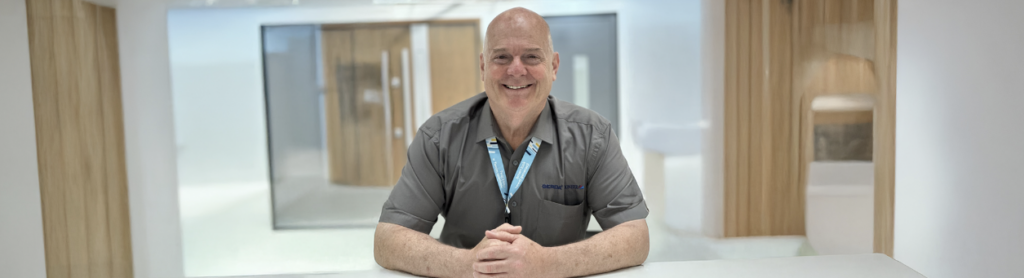


Elton Boocock, founder of Thinkivity, the company that provides AI consultancy and training for the UK glazing industry, explains why your next quote may be read by an AI before it’s read by the customer.
Last month, I talked about the enquiries that die at an unanswered phone, and the voice AI that can catch them. This month, the other end of the same shift. Because it isn’t your business picking up AI tools, it’s your customers too.

Watch how homeowners start a home improvement project now. For twenty years, the first step was Google: search, click, compare, ring around. A growing number of people don’t start there anymore. They open ChatGPT, Gemini or Copilot and simply ask. What do bi-fold doors cost? Aluminium or PVC-U? What should I watch out for when choosing an installer?
In the States, this has gone further and faster than most people here realise: ChatGPT now carries advertising, and the big American home-improvement platforms have built themselves directly into it, so a homeowner can go from asking about a project to being matched with a local firm without ever seeing a search results page.
The UK rarely lags far behind on these things, and even in Thinkivity, we are seeing most enquiries come via ChatGPT.
Picture how it plays out for your business. A homeowner is thinking about bi-folds. Ten minutes with an AI and they have a rough steer on materials, a sense of price, a list of questions to ask, and a warning about the pressure-selling tricks that have embarrassed this industry for decades.
When your salesperson knocks, that’s who opens the door. Some will find that threatening. What strikes me is the opposite: it’s a gift. A customer who’s done their homework is warmer, more serious, and far less likely to be swayed by a discount-if-you-sign-tonight routine.
If your business sells honestly, the informed customer is your customer. The ones with something to fear from a well-briefed homeowner are only the ones who were relying on the homeowner not understanding the options.
Here’s the part I keep coming back to, though. It doesn’t stop at research. The obvious next step, and it’s already happening in other trades, is the customer pasting your quote into the chat. Is this reasonable? What’s missing? What should I ask them?
Whether you like it or not, your quote is starting to be read by a machine before it’s read at the kitchen table.
And AI is brutal with vagueness. “Supply and fit five windows and one door: £9,800” invites every question an AI can generate. An itemised quote that explains what’s included, what isn’t, and why, reads well under that scrutiny. Clarity has quietly become a sales weapon.
The AI won’t always be right. It might benchmark your price against national averages that don’t fit your region, misread a specification, or treat a perfectly fair exclusion as a red flag. Which puts a new skill into the sales conversation: correcting the record without rubbishing the tool.
“The AI is wrong” loses the customer. “That’s a fair question, and here’s what’s different about your job” wins them. Nobody wants to be told their research was foolish. They want to be shown you can engage with it.
And then there’s the question of whose name comes up at all. When someone asks an AI to suggest reliable local installers, and they are asking, the answer is assembled from what’s out there: reviews, consistent business information, a website the machine can actually read.
I’ve written before about getting your reviews working harder, and about whether your website is ready for AI. Both of those conversations just acquired a new reason to matter. You can’t yet buy your way into an AI’s recommendation in the UK. You can make yourself easy to find, easy to verify, and easy to trust.
If you want to know how you’d fare, try this. Paste one of your own quotes into ChatGPT and ask: “You’re a cautious homeowner. What would you question about this quote?” Then ask it what it knows about your business. Ten minutes, costs nothing, and I suspect it will be the most useful mirror you look in this month. Fix what it flags before a customer finds it first. If the answer to the second question is thin or wrong, that’s this month’s marketing job sorted too.
The informed customer has been coming for 20 years; AI has simply finished the job. The information advantage that selling used to lean on is gone, and it isn’t coming back. What’s left is the part that always mattered more anyway: trust, evidence, and being the business whose numbers survive a second opinion.
If your quotes and your reputation can stand being read by a machine, the customer who did their homework isn’t your hardest sale. They’re your easiest.